Apistogramma 'inka' Dwarf Cichlid
Apistogramma 'Inka' (Apistogramma baenschi)
Common Names: Inka 50, Apistogramma baenschi
Origin: Peru – Río Tapiche drainage, upper Amazon Basin
Adult Size: Males 2.5–3 inches (6–7.5 cm), females smaller
Lifespan: 3–5 years
Temperament: Semi-peaceful, territorial during breeding
Swimming Zone: Bottom to midwater
Sales Description
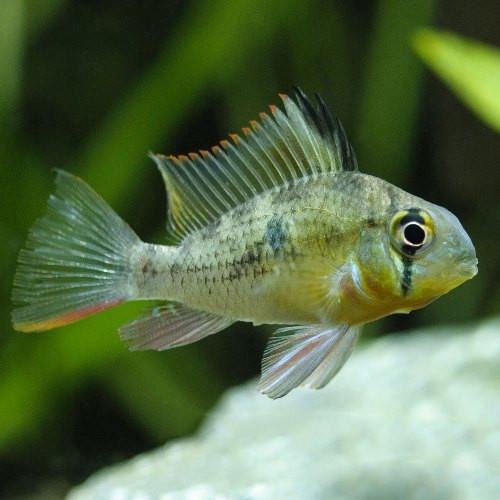
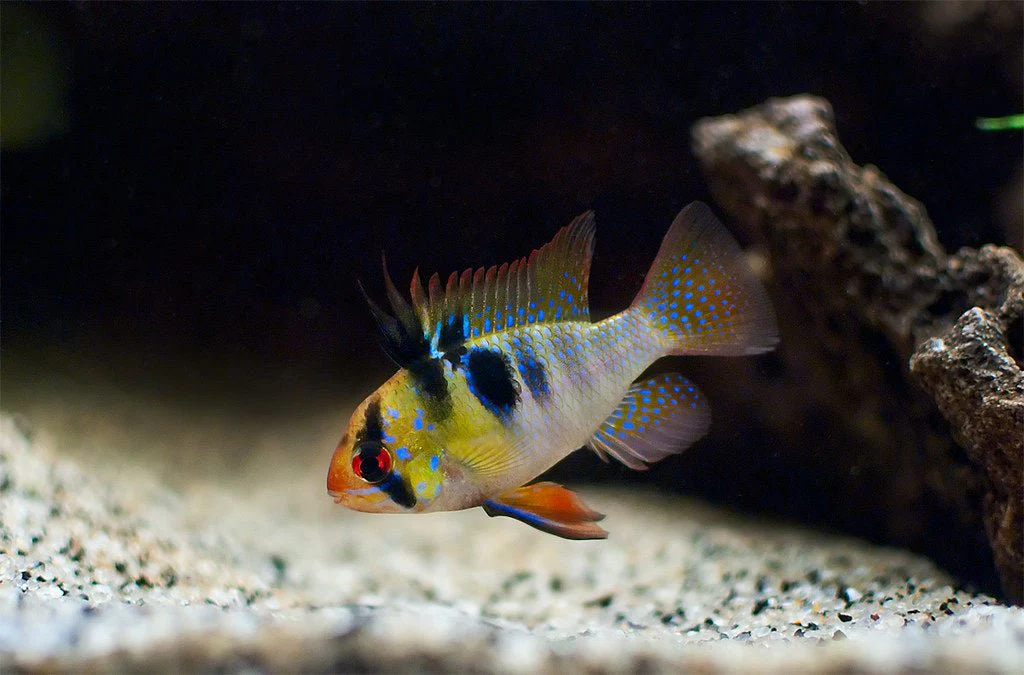
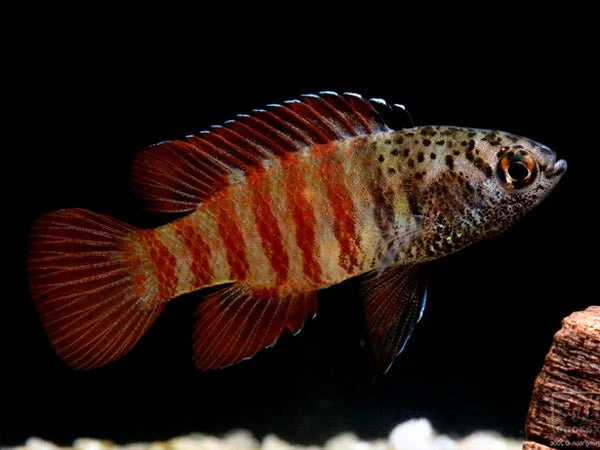
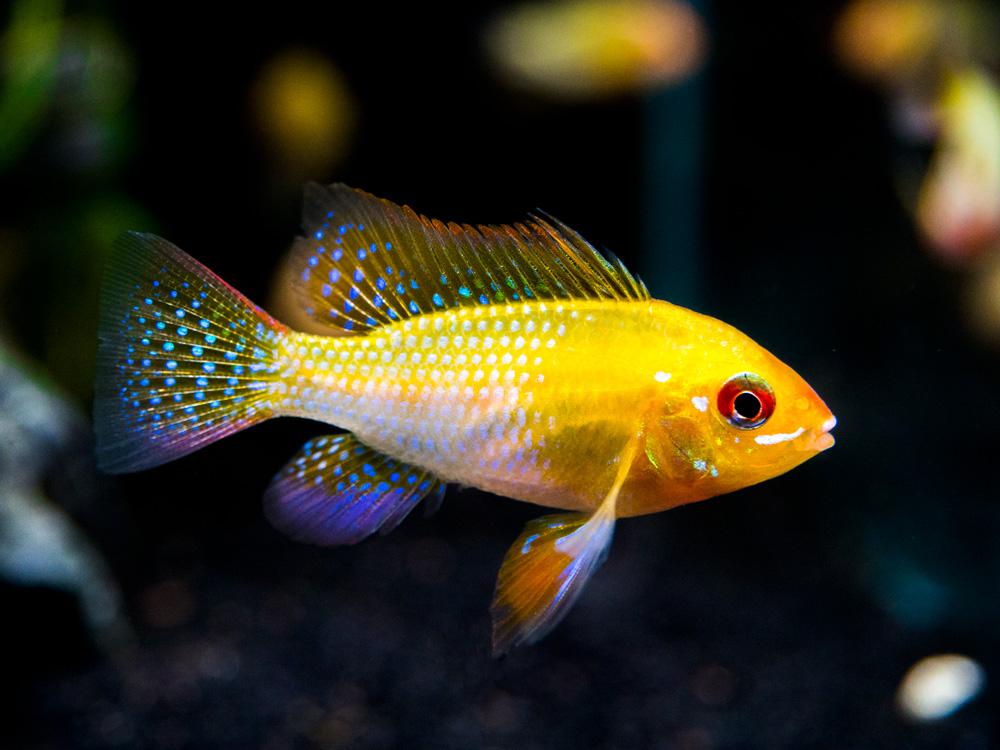
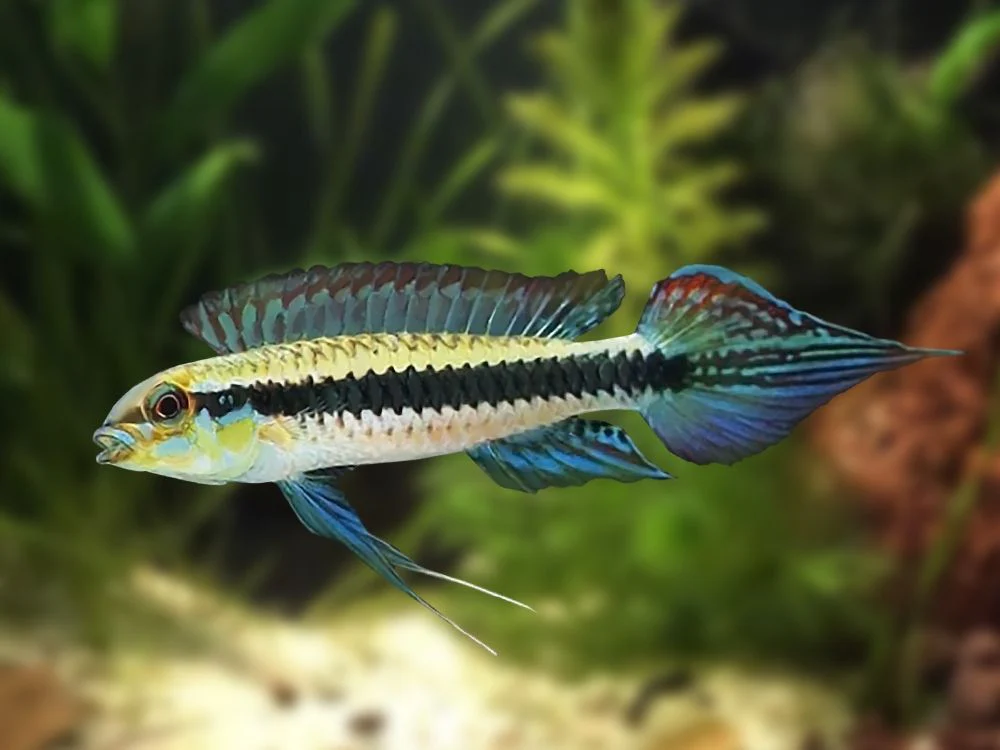
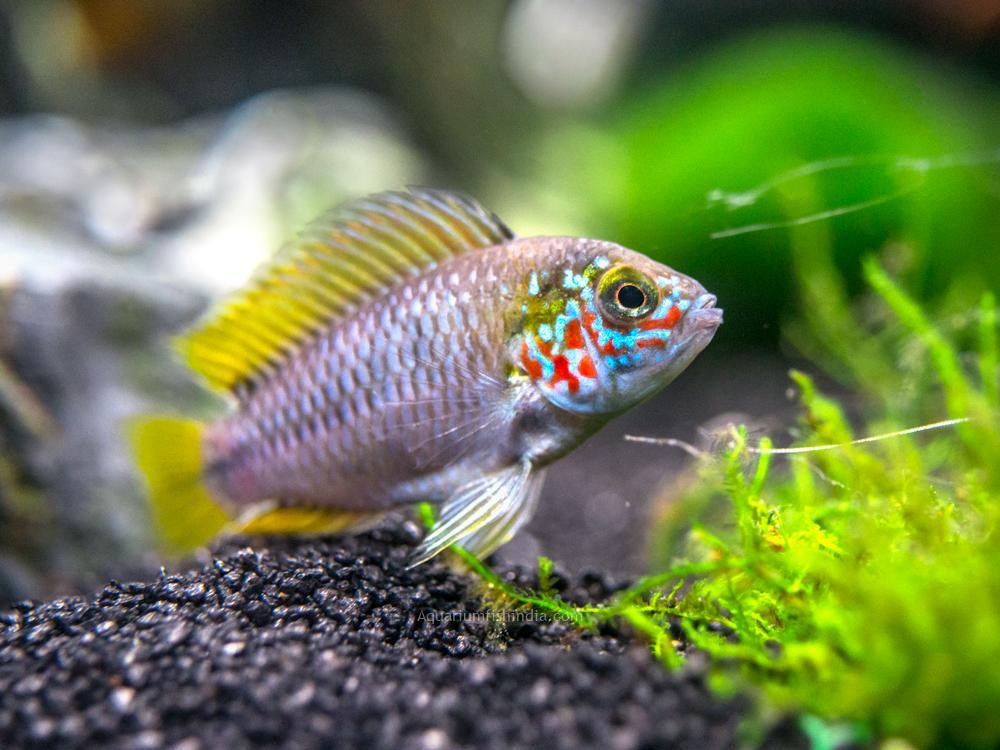
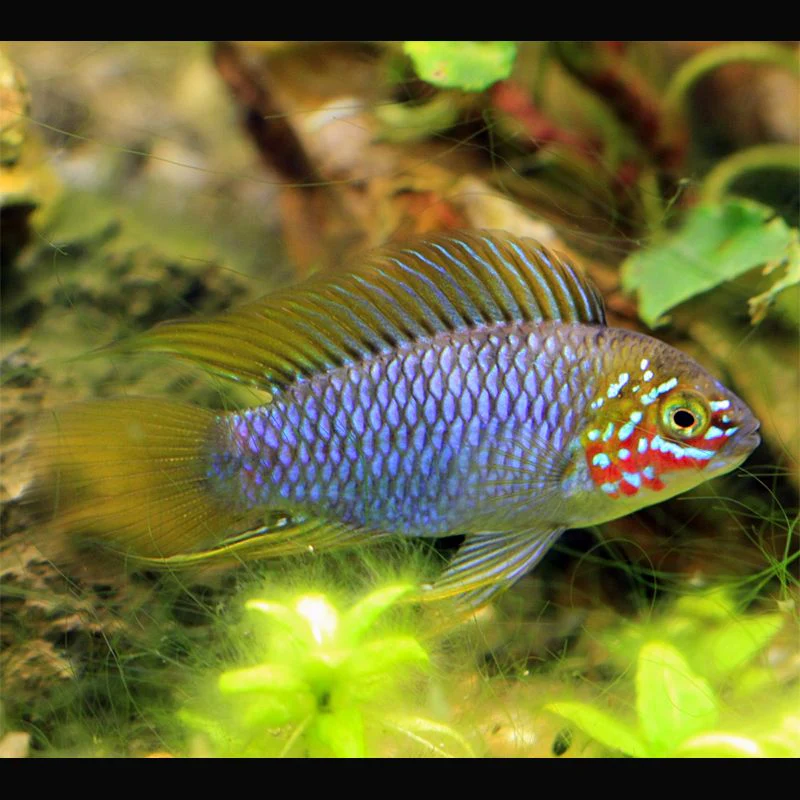
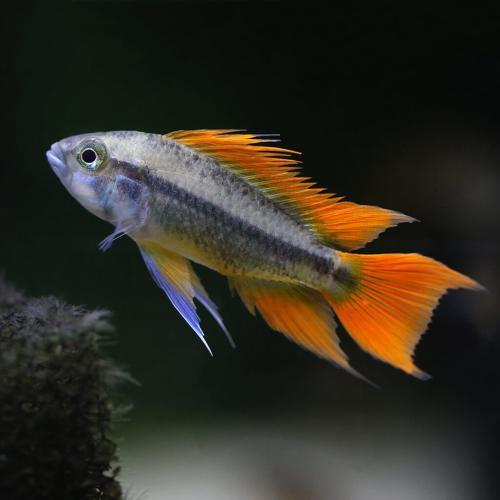
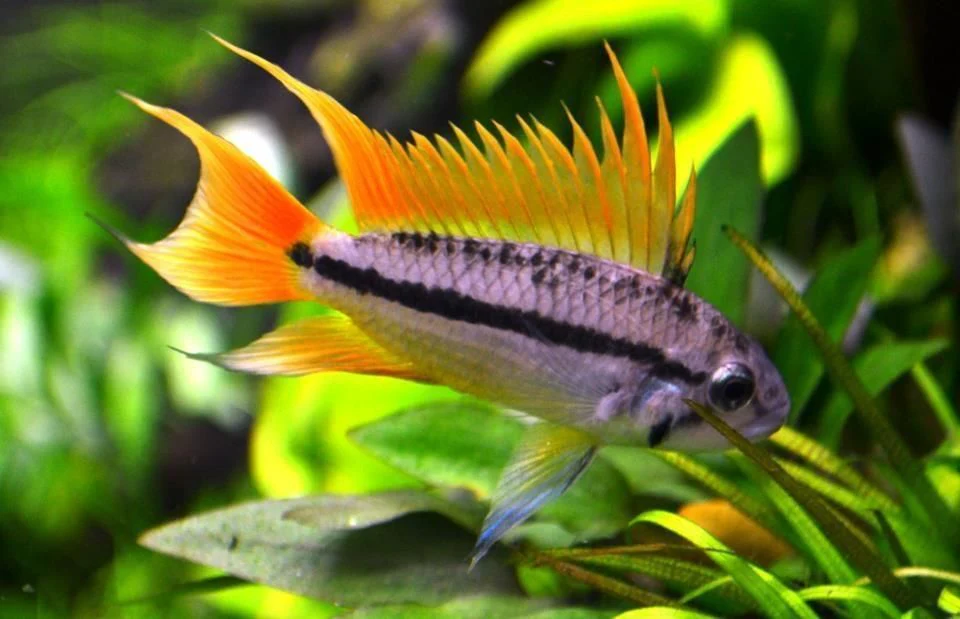
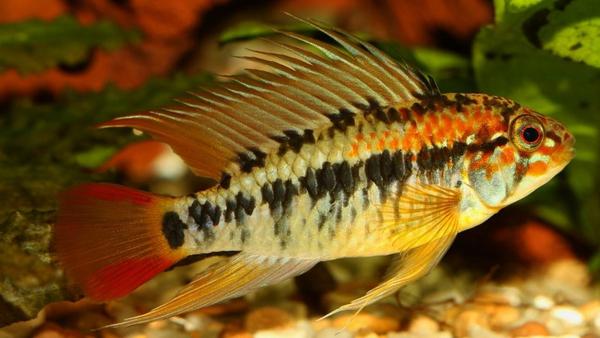
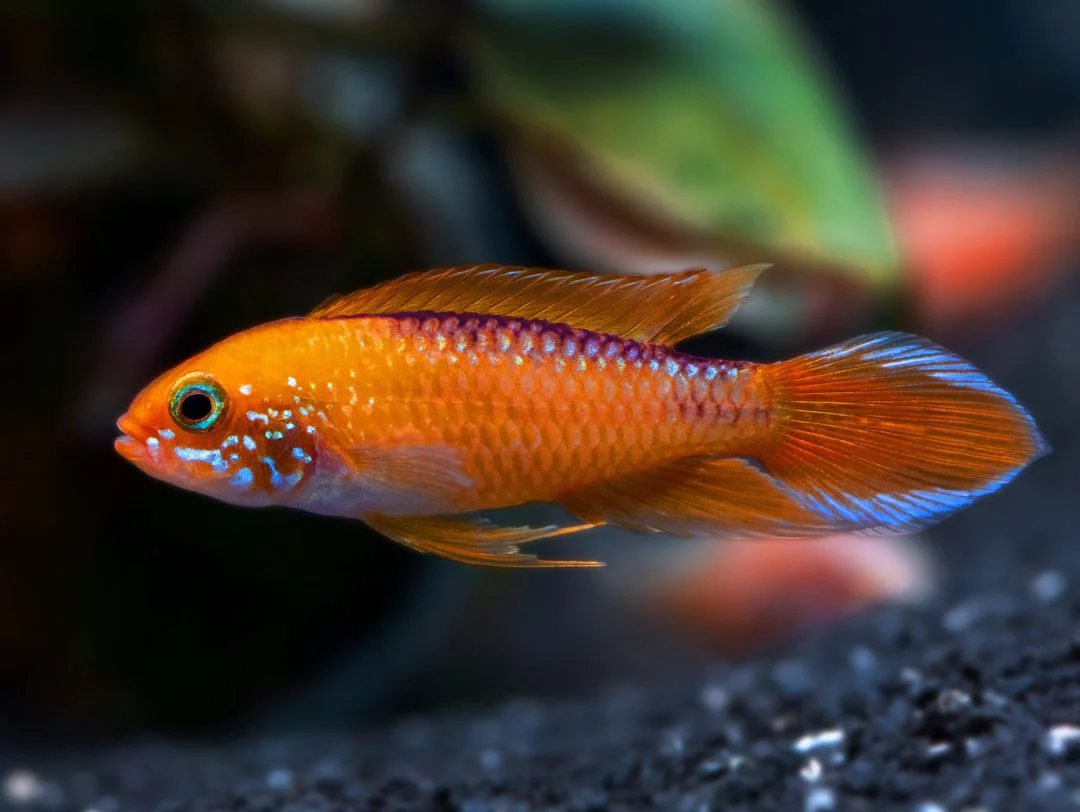
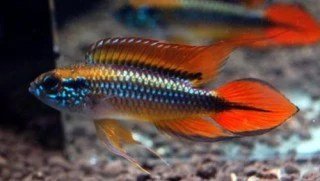
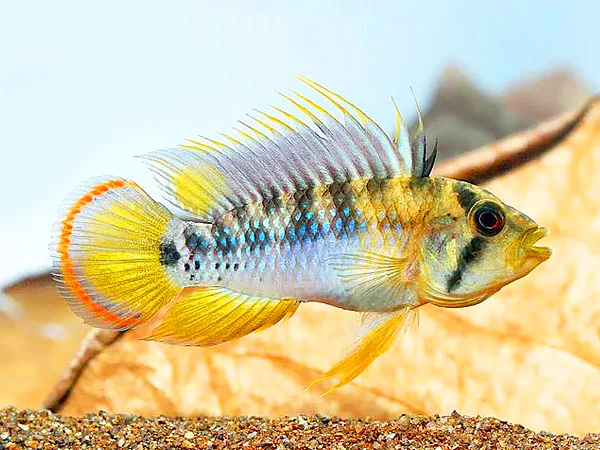
Apistogramma 'Inka' is one of the most visually impressive dwarf cichlids available in the hobby. Known for its vivid yellow-orange body, black facial markings, and exaggerated dorsal and caudal fins in mature males, this species is a true showpiece for planted and softwater aquariums. Often referred to as Apistogramma baenschi or “Inka 50,” this variety is prized by aquascapers and Apisto enthusiasts alike for its bold coloration and confident presence.
Inka Apistos are relatively peaceful outside of breeding and make excellent centerpiece fish for smaller planted community aquariums. Their intelligent behavior and complex social interactions make them fascinating to observe, especially when they claim and defend territories, court mates, or tend to their fry.
Care Guide
Apistogramma 'Inka' thrives in a stable, softwater aquarium with plenty of structure and visual barriers. A 20-gallon long tank or larger is recommended for a pair or trio, especially if breeding is intended. The ideal temperature range is between 76–82°F (24–28°C), with a slightly acidic pH between 5.5 and 7.0. They prefer soft water with low carbonate hardness and benefit from regular weekly water changes of 25–30% to maintain excellent water quality.
A natural setup with live plants, fine sand substrate, driftwood, and leaf litter creates an ideal environment that mimics their native habitat. Provide multiple cave options such as coconut shells, inverted flower pots, or pleco-style caves to reduce aggression and promote breeding behavior. Dim or subdued lighting helps reduce stress and brings out the full spectrum of their vibrant colors.
These fish are carnivorous and thrive on a varied, high-protein diet. Feed a mix of frozen foods such as bloodworms, brine shrimp, and daphnia, along with high-quality sinking pellets or soft granules. Supplement with live foods like blackworms or microworms to condition breeding pairs. Occasional servings of Repashy blends like Meat Pie or Spawn & Grow are also well-received.
Compatible tankmates include small, peaceful schooling fish that occupy the mid- and upper levels of the tank such as pencilfish, small rasboras, and hatchetfish. Avoid large, aggressive, or boisterous species, and steer clear of other bottom-dwelling cichlids in small tanks unless space and territory are abundant.
Breeding Notes
Apistogramma 'Inka' are cave spawners with strong parental instincts. Females take the lead in guarding and caring for the eggs and fry, while males patrol the surrounding area to protect the territory. Once fertilized, eggs are typically laid on the ceiling of a secluded cave and hatch within 2–3 days. Fry become free-swimming within a week and should be offered infusoria or vinegar eels, then transitioned to baby brine shrimp or microworms. A stable, low-stress environment with soft, acidic water greatly increases breeding success and fry survival.
Product Information
Product Information
Shipping & Returns
Shipping & Returns
Apistogramma 'inka' Dwarf Cichlid
Apistogramma 'inka' Dwarf Cichlid
Apistogramma 'Inka' (Apistogramma baenschi)
Common Names: Inka 50, Apistogramma baenschi
Origin: Peru – Río Tapiche drainage, upper Amazon Basin
Adult Size: Males 2.5–3 inches (6–7.5 cm), females smaller
Lifespan: 3–5 years
Temperament: Semi-peaceful, territorial during breeding
Swimming Zone: Bottom to midwater
Sales Description
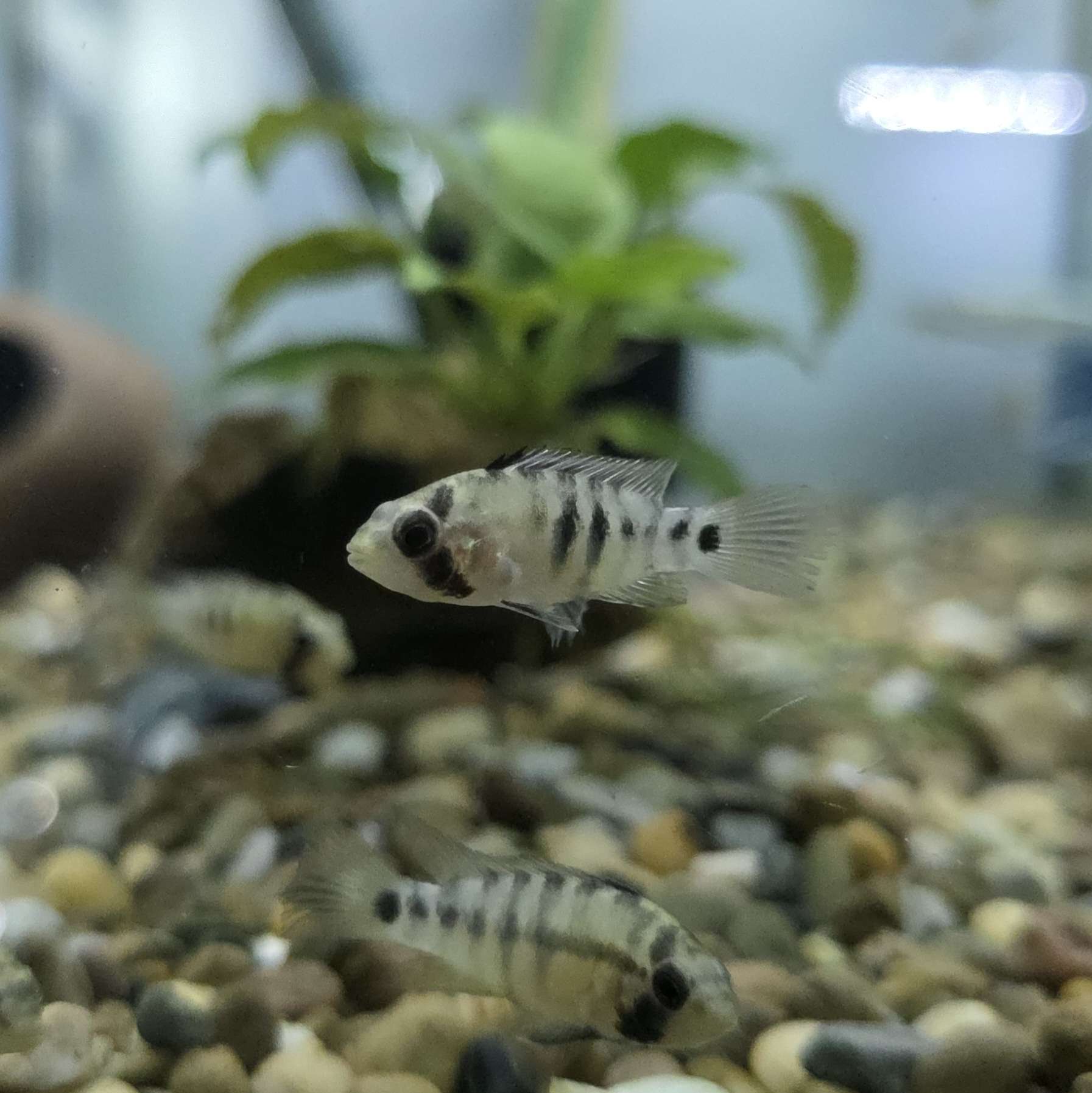
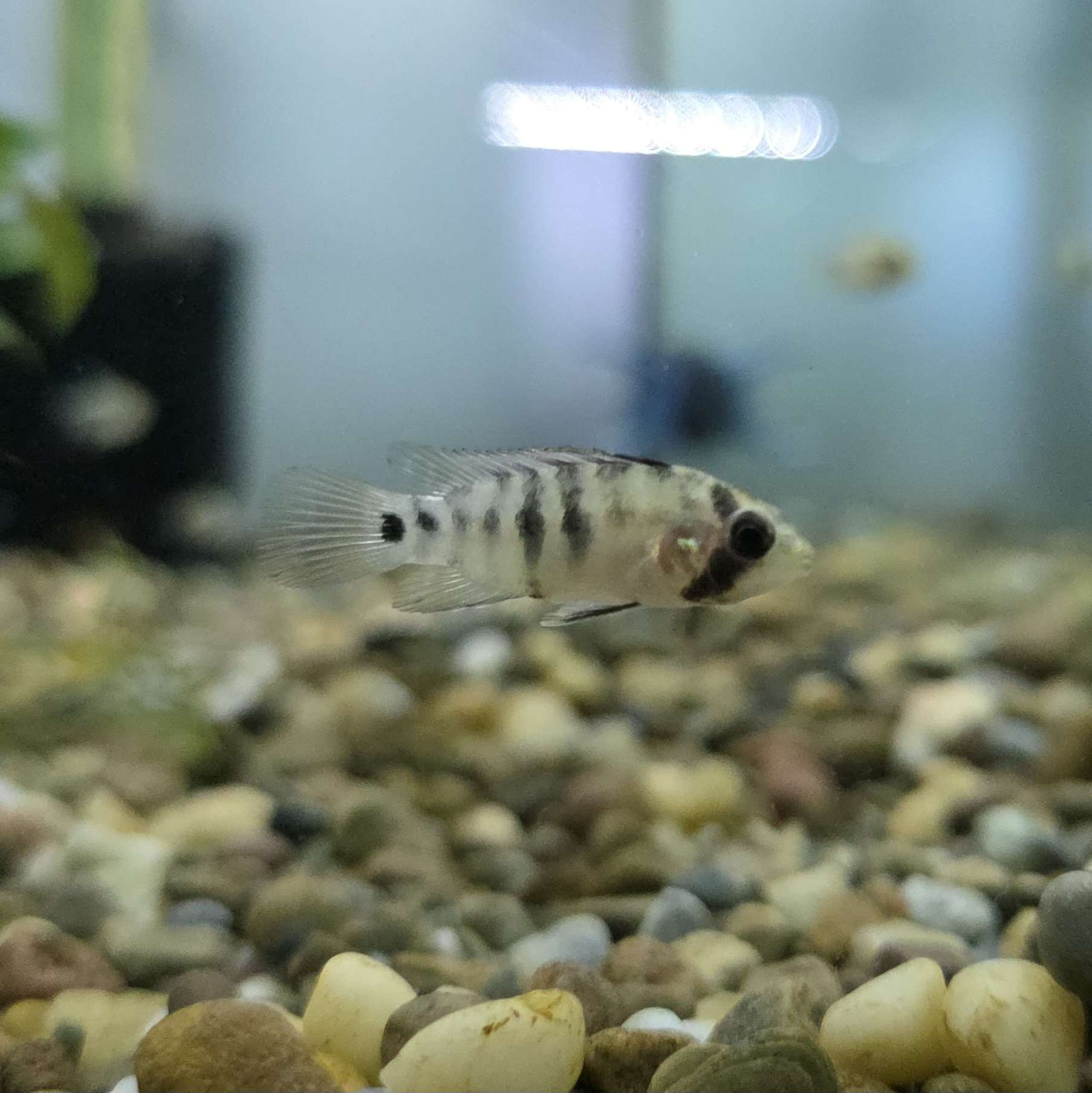
Apistogramma 'Inka' is one of the most visually impressive dwarf cichlids available in the hobby. Known for its vivid yellow-orange body, black facial markings, and exaggerated dorsal and caudal fins in mature males, this species is a true showpiece for planted and softwater aquariums. Often referred to as Apistogramma baenschi or “Inka 50,” this variety is prized by aquascapers and Apisto enthusiasts alike for its bold coloration and confident presence.
Inka Apistos are relatively peaceful outside of breeding and make excellent centerpiece fish for smaller planted community aquariums. Their intelligent behavior and complex social interactions make them fascinating to observe, especially when they claim and defend territories, court mates, or tend to their fry.
Care Guide
Apistogramma 'Inka' thrives in a stable, softwater aquarium with plenty of structure and visual barriers. A 20-gallon long tank or larger is recommended for a pair or trio, especially if breeding is intended. The ideal temperature range is between 76–82°F (24–28°C), with a slightly acidic pH between 5.5 and 7.0. They prefer soft water with low carbonate hardness and benefit from regular weekly water changes of 25–30% to maintain excellent water quality.
A natural setup with live plants, fine sand substrate, driftwood, and leaf litter creates an ideal environment that mimics their native habitat. Provide multiple cave options such as coconut shells, inverted flower pots, or pleco-style caves to reduce aggression and promote breeding behavior. Dim or subdued lighting helps reduce stress and brings out the full spectrum of their vibrant colors.
These fish are carnivorous and thrive on a varied, high-protein diet. Feed a mix of frozen foods such as bloodworms, brine shrimp, and daphnia, along with high-quality sinking pellets or soft granules. Supplement with live foods like blackworms or microworms to condition breeding pairs. Occasional servings of Repashy blends like Meat Pie or Spawn & Grow are also well-received.
Compatible tankmates include small, peaceful schooling fish that occupy the mid- and upper levels of the tank such as pencilfish, small rasboras, and hatchetfish. Avoid large, aggressive, or boisterous species, and steer clear of other bottom-dwelling cichlids in small tanks unless space and territory are abundant.
Breeding Notes
Apistogramma 'Inka' are cave spawners with strong parental instincts. Females take the lead in guarding and caring for the eggs and fry, while males patrol the surrounding area to protect the territory. Once fertilized, eggs are typically laid on the ceiling of a secluded cave and hatch within 2–3 days. Fry become free-swimming within a week and should be offered infusoria or vinegar eels, then transitioned to baby brine shrimp or microworms. A stable, low-stress environment with soft, acidic water greatly increases breeding success and fry survival.
Product Information
Product Information
Shipping & Returns
Shipping & Returns
Description
Apistogramma 'Inka' (Apistogramma baenschi)
Common Names: Inka 50, Apistogramma baenschi
Origin: Peru – Río Tapiche drainage, upper Amazon Basin
Adult Size: Males 2.5–3 inches (6–7.5 cm), females smaller
Lifespan: 3–5 years
Temperament: Semi-peaceful, territorial during breeding
Swimming Zone: Bottom to midwater
Sales Description
Apistogramma 'Inka' is one of the most visually impressive dwarf cichlids available in the hobby. Known for its vivid yellow-orange body, black facial markings, and exaggerated dorsal and caudal fins in mature males, this species is a true showpiece for planted and softwater aquariums. Often referred to as Apistogramma baenschi or “Inka 50,” this variety is prized by aquascapers and Apisto enthusiasts alike for its bold coloration and confident presence.
Inka Apistos are relatively peaceful outside of breeding and make excellent centerpiece fish for smaller planted community aquariums. Their intelligent behavior and complex social interactions make them fascinating to observe, especially when they claim and defend territories, court mates, or tend to their fry.
Care Guide
Apistogramma 'Inka' thrives in a stable, softwater aquarium with plenty of structure and visual barriers. A 20-gallon long tank or larger is recommended for a pair or trio, especially if breeding is intended. The ideal temperature range is between 76–82°F (24–28°C), with a slightly acidic pH between 5.5 and 7.0. They prefer soft water with low carbonate hardness and benefit from regular weekly water changes of 25–30% to maintain excellent water quality.
A natural setup with live plants, fine sand substrate, driftwood, and leaf litter creates an ideal environment that mimics their native habitat. Provide multiple cave options such as coconut shells, inverted flower pots, or pleco-style caves to reduce aggression and promote breeding behavior. Dim or subdued lighting helps reduce stress and brings out the full spectrum of their vibrant colors.
These fish are carnivorous and thrive on a varied, high-protein diet. Feed a mix of frozen foods such as bloodworms, brine shrimp, and daphnia, along with high-quality sinking pellets or soft granules. Supplement with live foods like blackworms or microworms to condition breeding pairs. Occasional servings of Repashy blends like Meat Pie or Spawn & Grow are also well-received.
Compatible tankmates include small, peaceful schooling fish that occupy the mid- and upper levels of the tank such as pencilfish, small rasboras, and hatchetfish. Avoid large, aggressive, or boisterous species, and steer clear of other bottom-dwelling cichlids in small tanks unless space and territory are abundant.
Breeding Notes
Apistogramma 'Inka' are cave spawners with strong parental instincts. Females take the lead in guarding and caring for the eggs and fry, while males patrol the surrounding area to protect the territory. Once fertilized, eggs are typically laid on the ceiling of a secluded cave and hatch within 2–3 days. Fry become free-swimming within a week and should be offered infusoria or vinegar eels, then transitioned to baby brine shrimp or microworms. A stable, low-stress environment with soft, acidic water greatly increases breeding success and fry survival.