Lyretail brichardi Dwarf/Fairy Cichlid
Lyretail brichardi Dwarf Cichlid
Scientific Name: Neolamprologus brichardi / Neolamprologus pulcher
Common Names: Lyretail Cichlid, Lyretail Fairy Cichlid, Princess of Burundi
Origin: Lake Tanganyika, Africa
Adult Size: 3–4 inches (7.5–10 cm)
Lifespan: 8–10+ years
Temperament: Semi-aggressive, highly social
Difficulty Level: Moderate
Sales Description
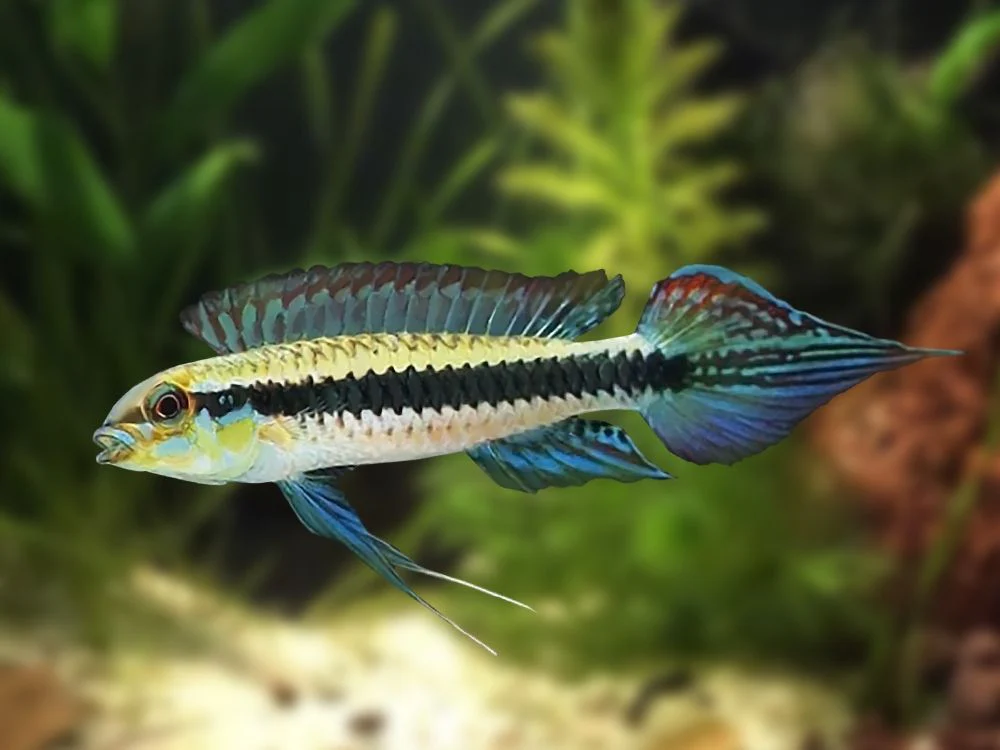
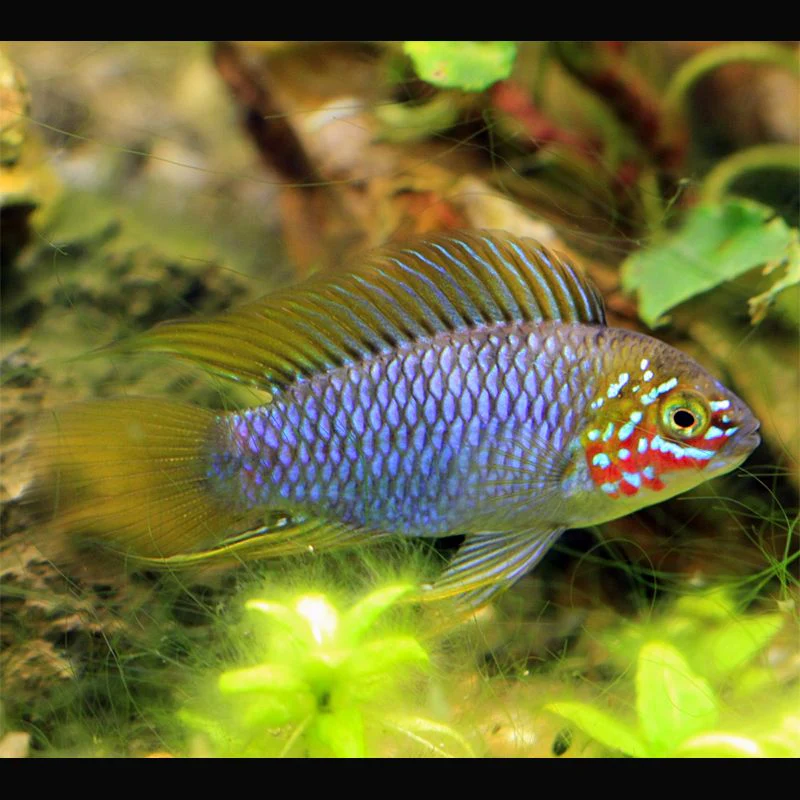
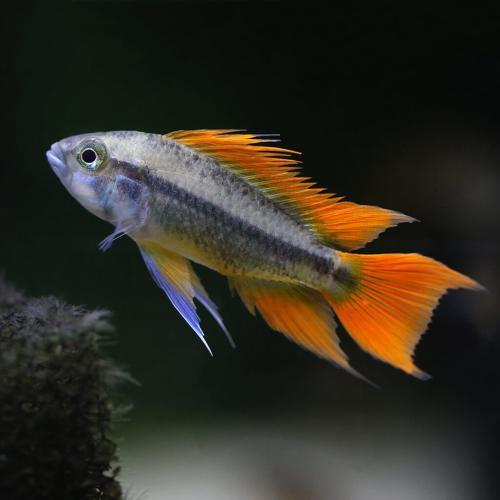
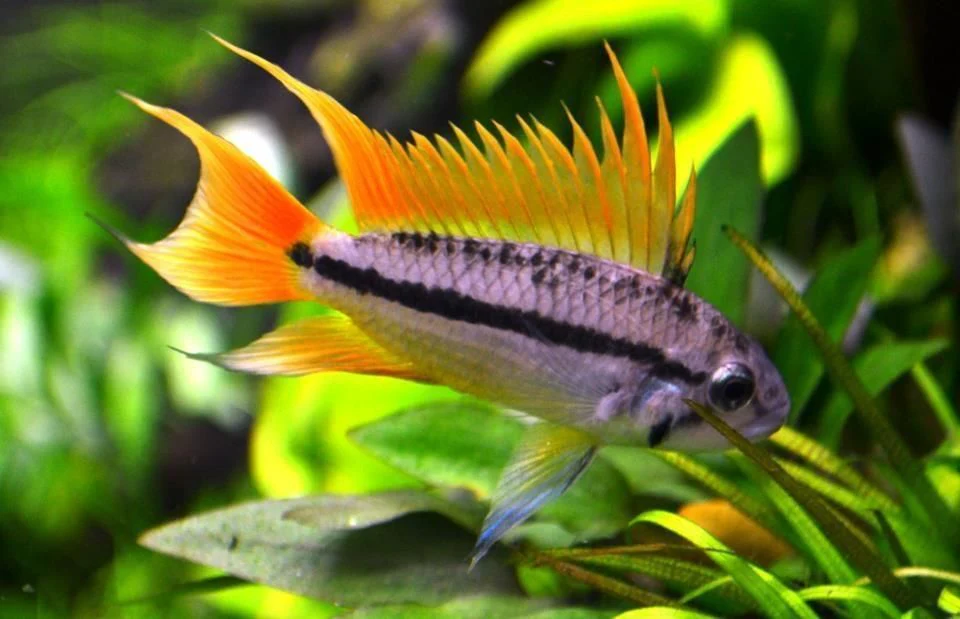
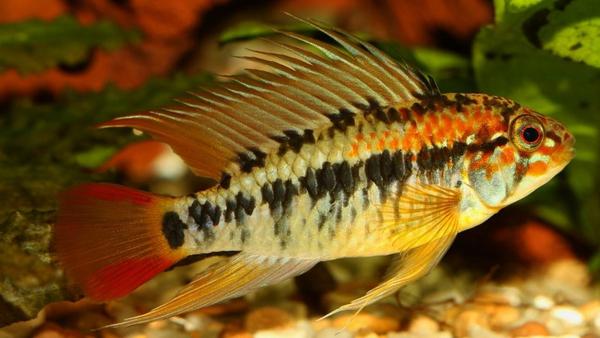
Lyretail Cichlids are elegant African cichlids known for their elongated, flowing fin extensions that form a distinctive lyre shape. Their soft cream to silver body coloration is accented by dark facial markings and delicate blue highlights along the fins, giving them a graceful and refined appearance. Calm in movement yet full of personality, they make a striking addition to Lake Tanganyika–style aquariums.
What truly sets Lyretail Cichlids apart is their fascinating social behavior. Unlike many cichlids, they form extended family groups where older offspring help defend and care for younger fry. This cooperative breeding behavior makes them incredibly engaging to observe and a favorite among hobbyists who enjoy natural fish interactions and colony-style setups.
Care Guide
Lyretail Cichlids require a stable aquarium with excellent water quality and conditions that replicate Lake Tanganyika. A minimum tank size of 30 gallons is recommended for a small group, with larger tanks preferred for colonies. The aquarium should include plenty of rockwork arranged into caves and crevices, allowing fish to establish territories while still maintaining line-of-sight breaks to reduce aggression.
They thrive in hard, alkaline water with temperatures between 75–80°F (24–27°C) and a pH range of 7.8–9.0. Consistency is more important than chasing exact numbers, and regular water changes are essential to maintain long-term health. Sand or fine gravel substrate is ideal and helps complete the natural look of a Tanganyikan biotope.
Lyretail Cichlids are omnivorous and do well on a high-quality cichlid pellet or flake supplemented with frozen foods such as brine shrimp, mysis shrimp, and finely chopped seafood. Avoid excessive fatty foods and limit bloodworms, as Tanganyikan cichlids are sensitive to rich diets.
Breeding and Behavior
This species is a substrate and cave spawner and breeds readily under proper conditions. Once established, pairs will spawn frequently, and fry are often raised within the colony with help from older siblings. As the group grows, territorial behavior increases, making adequate space and rockwork essential. Their complex social structure makes them especially rewarding for aquarists interested in observing natural breeding dynamics.
Compatibility
Lyretail Cichlids do best in species-only tanks or with other peaceful Lake Tanganyika species such as shell dwellers or calm rock-dwelling cichlids. Avoid aggressive or overly boisterous fish, especially those from different water chemistry requirements. Mixing with fish from soft or acidic water environments is not recommended.
Product Information
Product Information
Shipping & Returns
Shipping & Returns
Lyretail brichardi Dwarf/Fairy Cichlid
Lyretail brichardi Dwarf/Fairy Cichlid
Lyretail brichardi Dwarf Cichlid
Scientific Name: Neolamprologus brichardi / Neolamprologus pulcher
Common Names: Lyretail Cichlid, Lyretail Fairy Cichlid, Princess of Burundi
Origin: Lake Tanganyika, Africa
Adult Size: 3–4 inches (7.5–10 cm)
Lifespan: 8–10+ years
Temperament: Semi-aggressive, highly social
Difficulty Level: Moderate
Sales Description
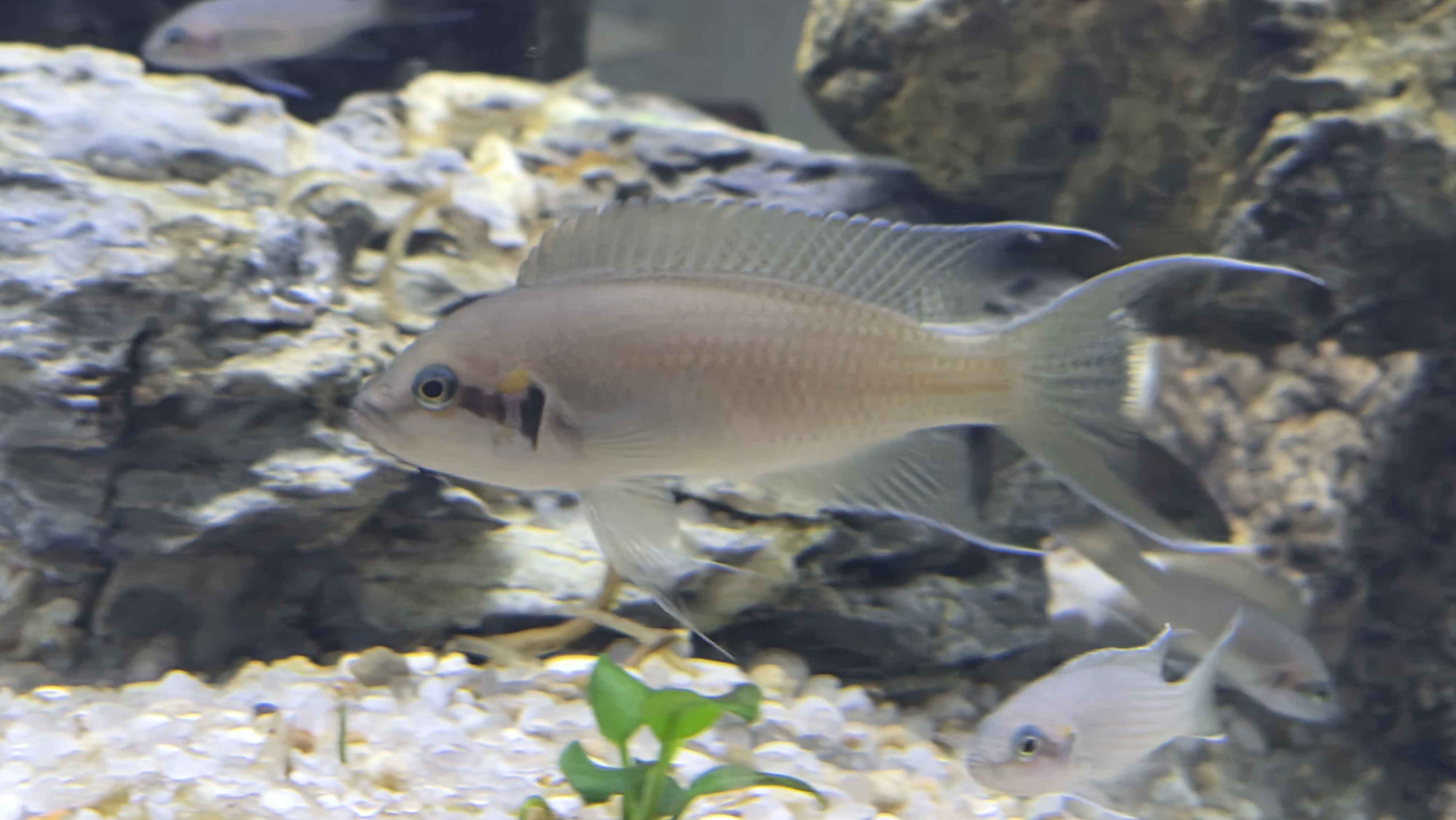
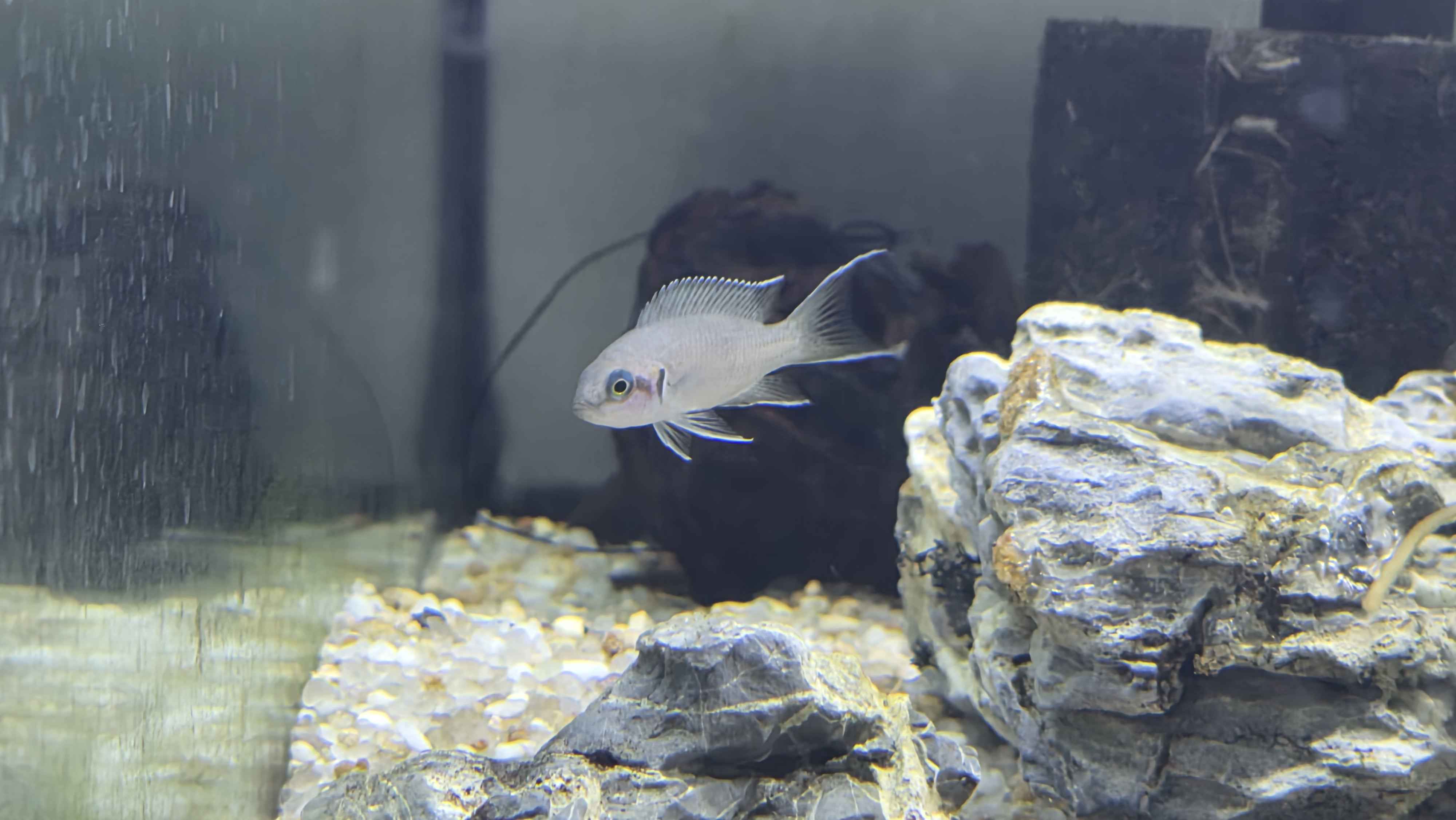
Lyretail Cichlids are elegant African cichlids known for their elongated, flowing fin extensions that form a distinctive lyre shape. Their soft cream to silver body coloration is accented by dark facial markings and delicate blue highlights along the fins, giving them a graceful and refined appearance. Calm in movement yet full of personality, they make a striking addition to Lake Tanganyika–style aquariums.
What truly sets Lyretail Cichlids apart is their fascinating social behavior. Unlike many cichlids, they form extended family groups where older offspring help defend and care for younger fry. This cooperative breeding behavior makes them incredibly engaging to observe and a favorite among hobbyists who enjoy natural fish interactions and colony-style setups.
Care Guide
Lyretail Cichlids require a stable aquarium with excellent water quality and conditions that replicate Lake Tanganyika. A minimum tank size of 30 gallons is recommended for a small group, with larger tanks preferred for colonies. The aquarium should include plenty of rockwork arranged into caves and crevices, allowing fish to establish territories while still maintaining line-of-sight breaks to reduce aggression.
They thrive in hard, alkaline water with temperatures between 75–80°F (24–27°C) and a pH range of 7.8–9.0. Consistency is more important than chasing exact numbers, and regular water changes are essential to maintain long-term health. Sand or fine gravel substrate is ideal and helps complete the natural look of a Tanganyikan biotope.
Lyretail Cichlids are omnivorous and do well on a high-quality cichlid pellet or flake supplemented with frozen foods such as brine shrimp, mysis shrimp, and finely chopped seafood. Avoid excessive fatty foods and limit bloodworms, as Tanganyikan cichlids are sensitive to rich diets.
Breeding and Behavior
This species is a substrate and cave spawner and breeds readily under proper conditions. Once established, pairs will spawn frequently, and fry are often raised within the colony with help from older siblings. As the group grows, territorial behavior increases, making adequate space and rockwork essential. Their complex social structure makes them especially rewarding for aquarists interested in observing natural breeding dynamics.
Compatibility
Lyretail Cichlids do best in species-only tanks or with other peaceful Lake Tanganyika species such as shell dwellers or calm rock-dwelling cichlids. Avoid aggressive or overly boisterous fish, especially those from different water chemistry requirements. Mixing with fish from soft or acidic water environments is not recommended.
Original: $10.96
-65%$10.96
$3.84Product Information
Product Information
Shipping & Returns
Shipping & Returns
Description
Lyretail brichardi Dwarf Cichlid
Scientific Name: Neolamprologus brichardi / Neolamprologus pulcher
Common Names: Lyretail Cichlid, Lyretail Fairy Cichlid, Princess of Burundi
Origin: Lake Tanganyika, Africa
Adult Size: 3–4 inches (7.5–10 cm)
Lifespan: 8–10+ years
Temperament: Semi-aggressive, highly social
Difficulty Level: Moderate
Sales Description
Lyretail Cichlids are elegant African cichlids known for their elongated, flowing fin extensions that form a distinctive lyre shape. Their soft cream to silver body coloration is accented by dark facial markings and delicate blue highlights along the fins, giving them a graceful and refined appearance. Calm in movement yet full of personality, they make a striking addition to Lake Tanganyika–style aquariums.
What truly sets Lyretail Cichlids apart is their fascinating social behavior. Unlike many cichlids, they form extended family groups where older offspring help defend and care for younger fry. This cooperative breeding behavior makes them incredibly engaging to observe and a favorite among hobbyists who enjoy natural fish interactions and colony-style setups.
Care Guide
Lyretail Cichlids require a stable aquarium with excellent water quality and conditions that replicate Lake Tanganyika. A minimum tank size of 30 gallons is recommended for a small group, with larger tanks preferred for colonies. The aquarium should include plenty of rockwork arranged into caves and crevices, allowing fish to establish territories while still maintaining line-of-sight breaks to reduce aggression.
They thrive in hard, alkaline water with temperatures between 75–80°F (24–27°C) and a pH range of 7.8–9.0. Consistency is more important than chasing exact numbers, and regular water changes are essential to maintain long-term health. Sand or fine gravel substrate is ideal and helps complete the natural look of a Tanganyikan biotope.
Lyretail Cichlids are omnivorous and do well on a high-quality cichlid pellet or flake supplemented with frozen foods such as brine shrimp, mysis shrimp, and finely chopped seafood. Avoid excessive fatty foods and limit bloodworms, as Tanganyikan cichlids are sensitive to rich diets.
Breeding and Behavior
This species is a substrate and cave spawner and breeds readily under proper conditions. Once established, pairs will spawn frequently, and fry are often raised within the colony with help from older siblings. As the group grows, territorial behavior increases, making adequate space and rockwork essential. Their complex social structure makes them especially rewarding for aquarists interested in observing natural breeding dynamics.
Compatibility
Lyretail Cichlids do best in species-only tanks or with other peaceful Lake Tanganyika species such as shell dwellers or calm rock-dwelling cichlids. Avoid aggressive or overly boisterous fish, especially those from different water chemistry requirements. Mixing with fish from soft or acidic water environments is not recommended.