Red Shoulder Dwarf Cichlid *SOLD AS PAIRS ONLY*
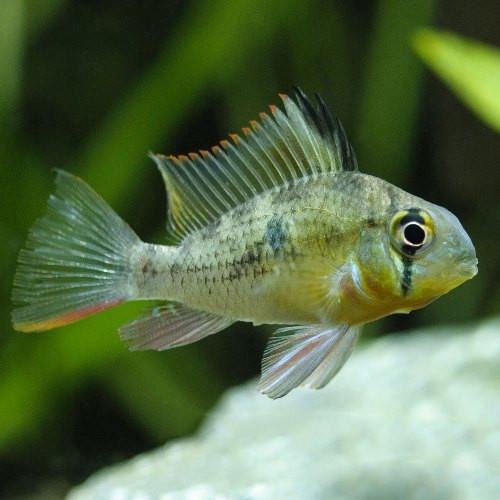
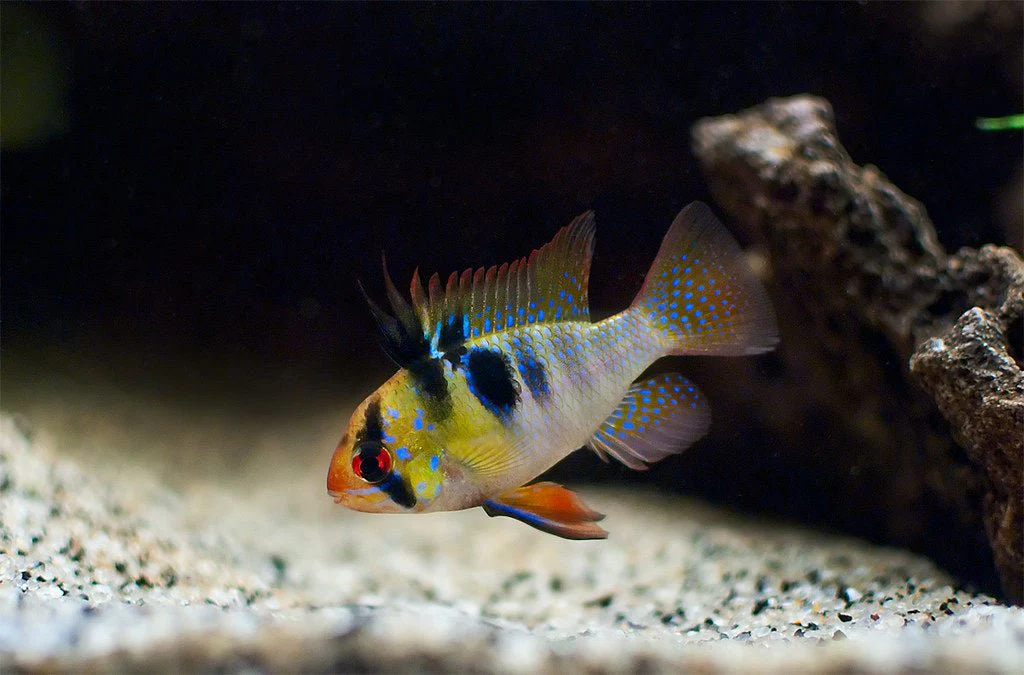
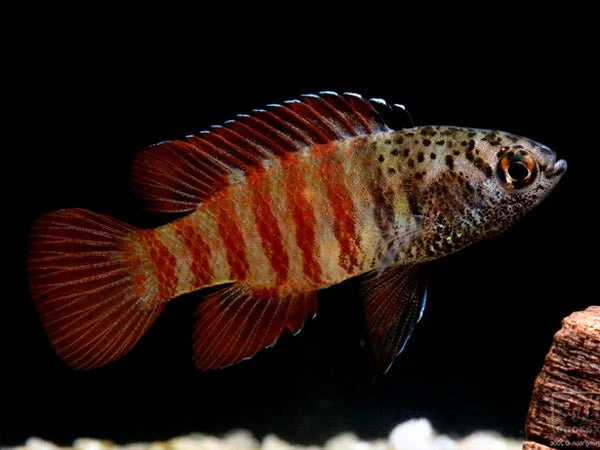
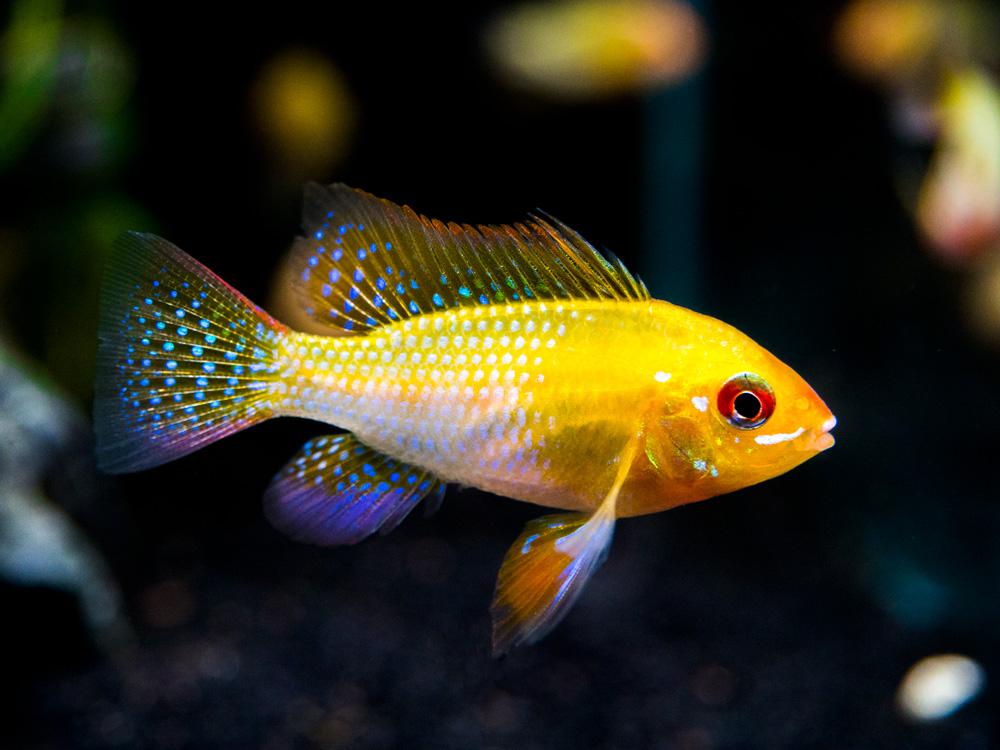
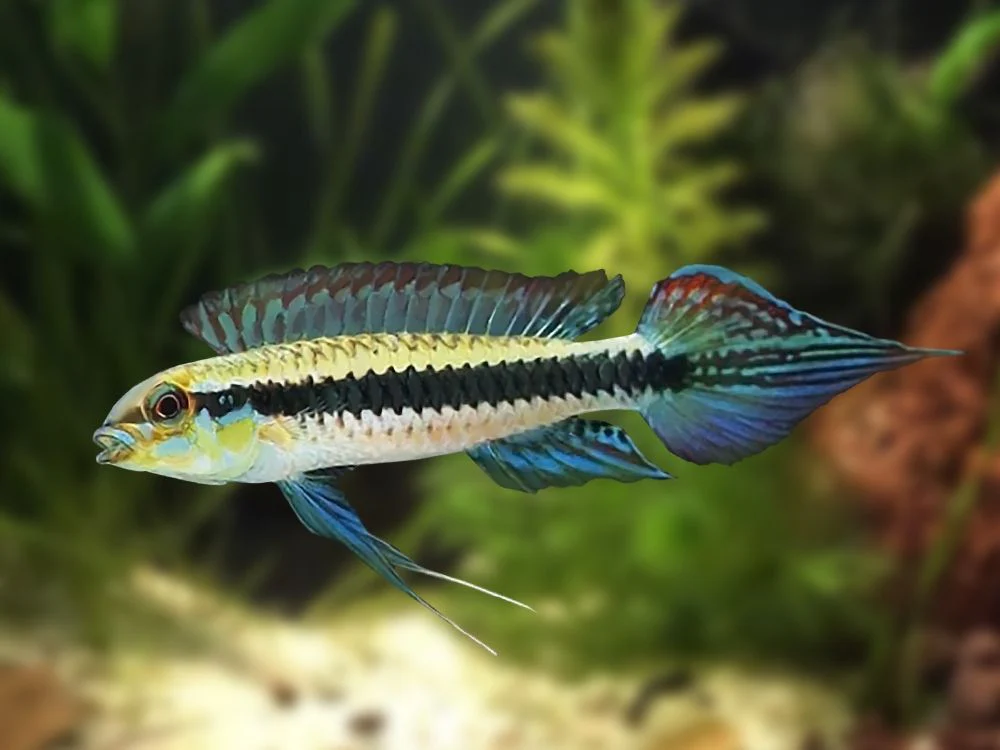
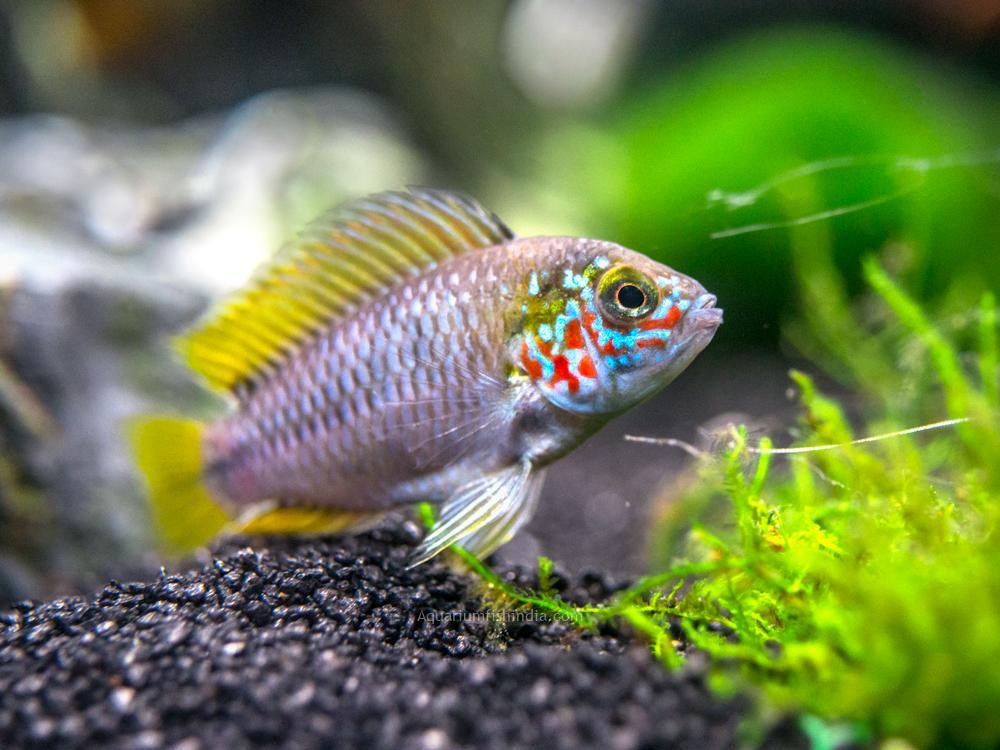
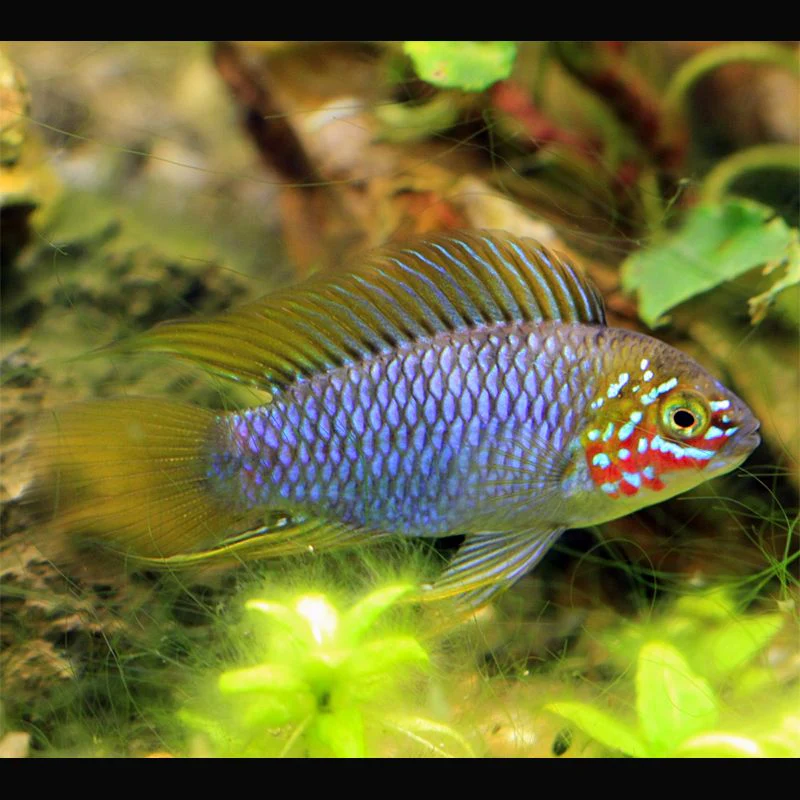
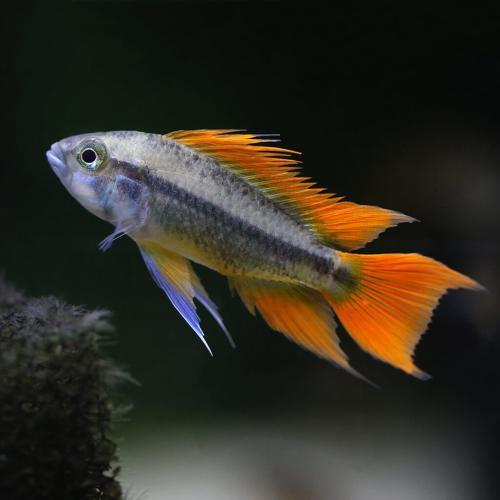
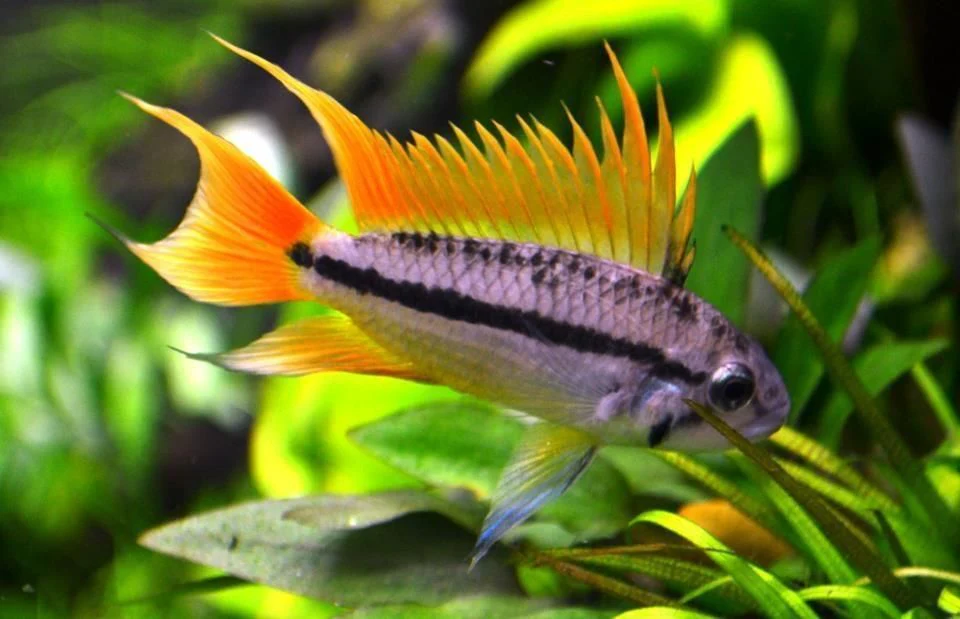
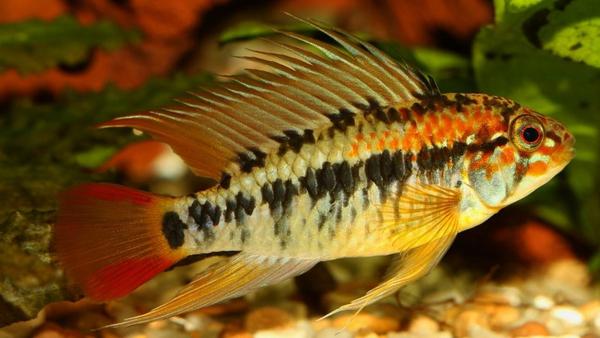
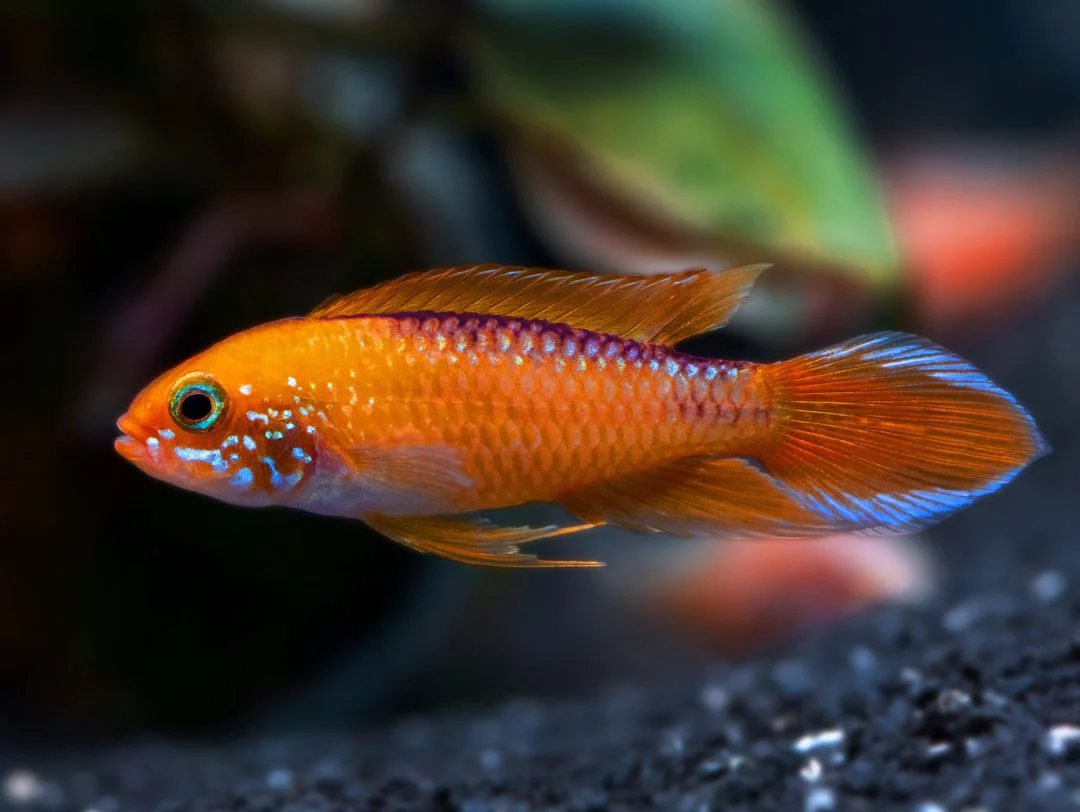
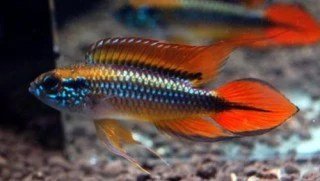
The Red Shoulder Dwarf Cichlid (Apistogramma macmasteri) is a stunning addition to any freshwater aquarium, prized for its vibrant coloration and engaging personality. Males feature fiery red shoulders, a metallic golden body, and flowing fins, while females display subtler hues, often accentuated by a striking black lateral stripe. Native to Colombia, these peaceful dwarf cichlids thrive in well-planted aquariums and exhibit fascinating behaviors, especially during breeding. Perfect for aquarists seeking a manageable, beautiful, and rewarding cichlid species.
Care Guide:
Scientific Name: Apistogramma macmasteri
Common Name: Red Shoulder Dwarf Cichlid
Family: Cichlidae
Origin: Streams and tributaries in the Orinoco River Basin, Colombia.
1. Water Parameters:
- Temperature: 72°F to 84°F (22°C to 29°C)
- pH Range: 5.5 to 7.5 (prefers slightly acidic conditions)
- Water Hardness: Soft to moderately hard (2-15 dGH)
- Flow and Filtration: Low to moderate water flow; prefers calm waters with good filtration.
Note: Maintaining stable water parameters is crucial for their health. Regular water changes (20-30% weekly) are recommended.
2. Tank Setup:
- Minimum Tank Size: 20 gallons for a pair, with larger tanks recommended for multiple pairs or a community setup.
- Substrate: Fine sand or smooth gravel to mimic their natural riverbeds.
- Decor: Include driftwood, leaf litter, caves (e.g., coconut shells or ceramic pots), and smooth stones to create territories and hiding places.
- Plants: Dense planting with species like Amazon Swords, Java Fern, Anubias, or floating plants like Frogbit to provide shade and a sense of security.
- Lighting: Low to moderate lighting to create a subdued environment.
3. Feeding:
Red Shoulder Dwarf Cichlids are omnivorous with a preference for protein-rich foods.
- Primary Diet: High-quality micropellets or flakes designed for cichlids.
- Supplementary Foods: Live or frozen foods like brine shrimp, daphnia, and blackworms.
- Occasional Treats: Blanched vegetables (e.g., zucchini or spinach) and small insect larvae.
- Feeding Schedule: Feed 1-2 times daily in small amounts to prevent waste and maintain water quality.
4. Tank Mates:
Red Shoulder Dwarf Cichlids are generally peaceful but can be territorial during breeding.
- Compatible Tank Mates: Small, peaceful fish such as tetras, rasboras, and pencilfish. Bottom-dwellers like Corydoras or Otocinclus also pair well.
- Tank Mate Cautions: Avoid aggressive or overly boisterous species, as well as other cichlids unless the tank is large enough to accommodate multiple territories.
Note: If housing multiple males, ensure the tank is spacious with plenty of visual barriers to prevent aggression.
5. Behavior and Temperament:
- Activity Level: Active and curious, often exploring the tank and interacting with their environment.
- Social Behavior: Males can be territorial but are generally peaceful. Females are protective, especially during breeding.
- Special Notes: They exhibit fascinating courtship and parenting behaviors, making them a joy to observe.
6. Breeding:
Breeding Red Shoulder Dwarf Cichlids in captivity is achievable with the right conditions.
- Breeding Setup: Provide a separate breeding tank with soft, acidic water (pH 5.5-6.5) and multiple hiding spots or caves for egg-laying.
- Triggering Breeding: Perform cooler water changes and offer a high-protein diet to simulate the rainy season.
- Parenting: Females guard the eggs and fry, while males defend the territory. Fry become free-swimming within a week and can be fed infusoria or powdered fry food initially, followed by baby brine shrimp.
Health and Maintenance:
Red Shoulder Dwarf Cichlids are hardy but sensitive to poor water quality.
- Maintenance Tips: Keep the tank clean with regular water changes and monitor parameters closely.
- Common Issues: Stress from inadequate water conditions or aggressive tank mates can lead to illness. Quarantine new arrivals and treat any signs of disease promptly.
Key Care Tips:
- Maintain soft, slightly acidic water with stable parameters.
- Provide a well-decorated tank with plenty of hiding spots and dense plants.
- Feed a varied diet with high-quality protein sources.
- Observe their social interactions and ensure adequate space for territories.
With their vivid red accents, manageable size, and fascinating behavior, the Red Shoulder Dwarf Cichlid is a rewarding species for both beginner and experienced aquarists. A true jewel of the aquarium world, they bring life and color to any setup!
Product Information
Product Information
Shipping & Returns
Shipping & Returns
Red Shoulder Dwarf Cichlid *SOLD AS PAIRS ONLY*
Red Shoulder Dwarf Cichlid *SOLD AS PAIRS ONLY*
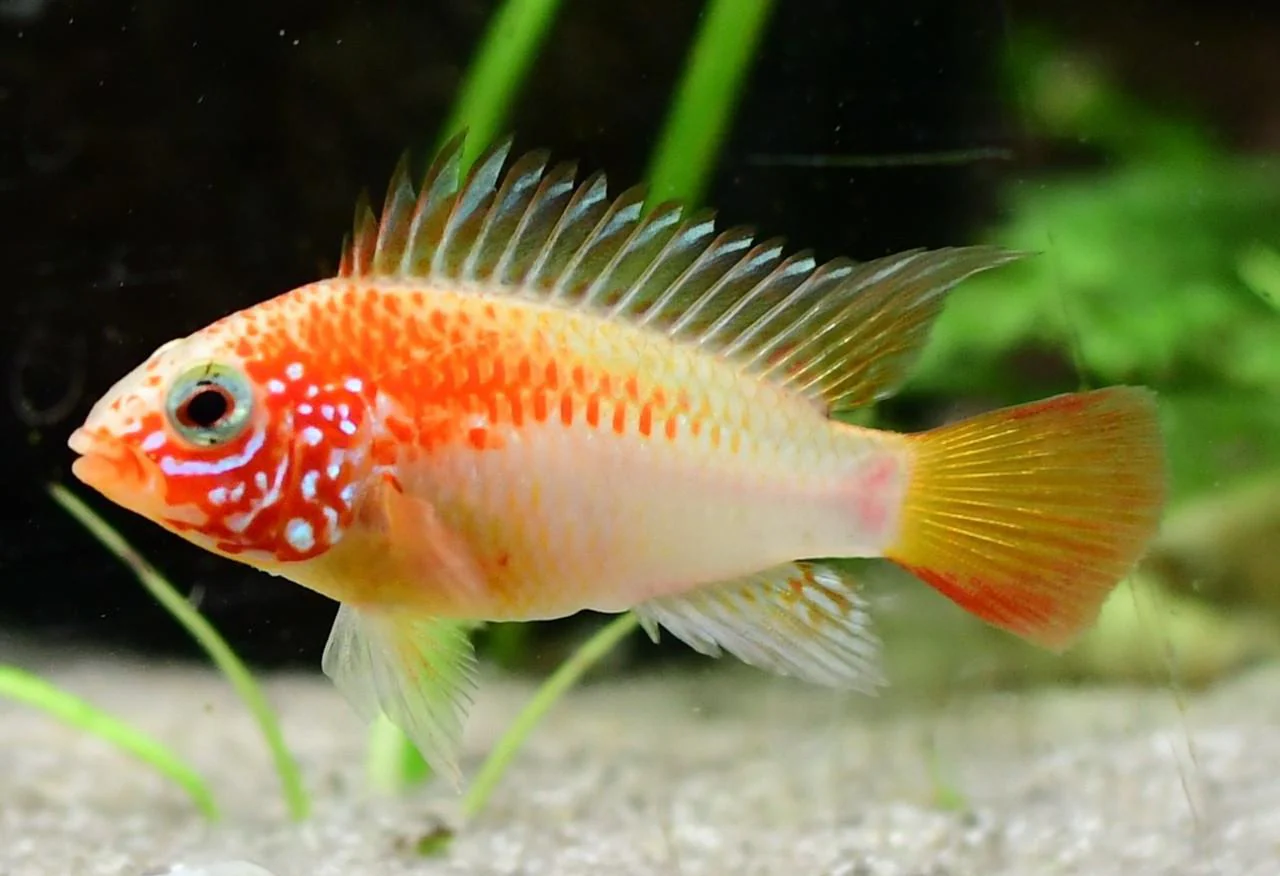
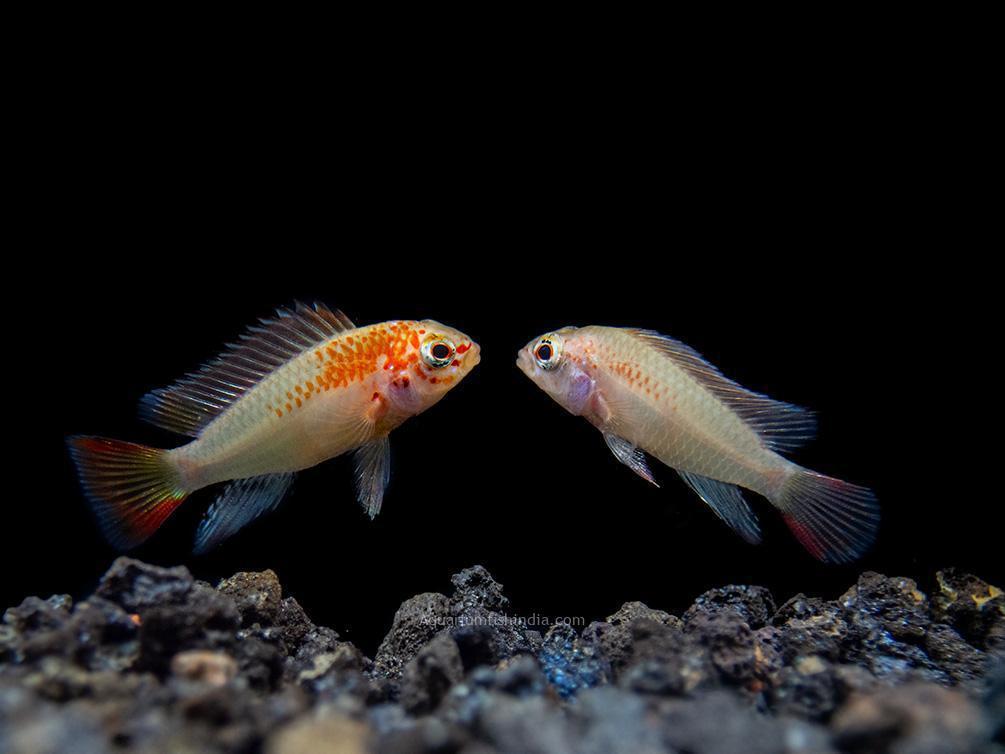
The Red Shoulder Dwarf Cichlid (Apistogramma macmasteri) is a stunning addition to any freshwater aquarium, prized for its vibrant coloration and engaging personality. Males feature fiery red shoulders, a metallic golden body, and flowing fins, while females display subtler hues, often accentuated by a striking black lateral stripe. Native to Colombia, these peaceful dwarf cichlids thrive in well-planted aquariums and exhibit fascinating behaviors, especially during breeding. Perfect for aquarists seeking a manageable, beautiful, and rewarding cichlid species.
Care Guide:
Scientific Name: Apistogramma macmasteri
Common Name: Red Shoulder Dwarf Cichlid
Family: Cichlidae
Origin: Streams and tributaries in the Orinoco River Basin, Colombia.
1. Water Parameters:
- Temperature: 72°F to 84°F (22°C to 29°C)
- pH Range: 5.5 to 7.5 (prefers slightly acidic conditions)
- Water Hardness: Soft to moderately hard (2-15 dGH)
- Flow and Filtration: Low to moderate water flow; prefers calm waters with good filtration.
Note: Maintaining stable water parameters is crucial for their health. Regular water changes (20-30% weekly) are recommended.
2. Tank Setup:
- Minimum Tank Size: 20 gallons for a pair, with larger tanks recommended for multiple pairs or a community setup.
- Substrate: Fine sand or smooth gravel to mimic their natural riverbeds.
- Decor: Include driftwood, leaf litter, caves (e.g., coconut shells or ceramic pots), and smooth stones to create territories and hiding places.
- Plants: Dense planting with species like Amazon Swords, Java Fern, Anubias, or floating plants like Frogbit to provide shade and a sense of security.
- Lighting: Low to moderate lighting to create a subdued environment.
3. Feeding:
Red Shoulder Dwarf Cichlids are omnivorous with a preference for protein-rich foods.
- Primary Diet: High-quality micropellets or flakes designed for cichlids.
- Supplementary Foods: Live or frozen foods like brine shrimp, daphnia, and blackworms.
- Occasional Treats: Blanched vegetables (e.g., zucchini or spinach) and small insect larvae.
- Feeding Schedule: Feed 1-2 times daily in small amounts to prevent waste and maintain water quality.
4. Tank Mates:
Red Shoulder Dwarf Cichlids are generally peaceful but can be territorial during breeding.
- Compatible Tank Mates: Small, peaceful fish such as tetras, rasboras, and pencilfish. Bottom-dwellers like Corydoras or Otocinclus also pair well.
- Tank Mate Cautions: Avoid aggressive or overly boisterous species, as well as other cichlids unless the tank is large enough to accommodate multiple territories.
Note: If housing multiple males, ensure the tank is spacious with plenty of visual barriers to prevent aggression.
5. Behavior and Temperament:
- Activity Level: Active and curious, often exploring the tank and interacting with their environment.
- Social Behavior: Males can be territorial but are generally peaceful. Females are protective, especially during breeding.
- Special Notes: They exhibit fascinating courtship and parenting behaviors, making them a joy to observe.
6. Breeding:
Breeding Red Shoulder Dwarf Cichlids in captivity is achievable with the right conditions.
- Breeding Setup: Provide a separate breeding tank with soft, acidic water (pH 5.5-6.5) and multiple hiding spots or caves for egg-laying.
- Triggering Breeding: Perform cooler water changes and offer a high-protein diet to simulate the rainy season.
- Parenting: Females guard the eggs and fry, while males defend the territory. Fry become free-swimming within a week and can be fed infusoria or powdered fry food initially, followed by baby brine shrimp.
Health and Maintenance:
Red Shoulder Dwarf Cichlids are hardy but sensitive to poor water quality.
- Maintenance Tips: Keep the tank clean with regular water changes and monitor parameters closely.
- Common Issues: Stress from inadequate water conditions or aggressive tank mates can lead to illness. Quarantine new arrivals and treat any signs of disease promptly.
Key Care Tips:
- Maintain soft, slightly acidic water with stable parameters.
- Provide a well-decorated tank with plenty of hiding spots and dense plants.
- Feed a varied diet with high-quality protein sources.
- Observe their social interactions and ensure adequate space for territories.
With their vivid red accents, manageable size, and fascinating behavior, the Red Shoulder Dwarf Cichlid is a rewarding species for both beginner and experienced aquarists. A true jewel of the aquarium world, they bring life and color to any setup!
Product Information
Product Information
Shipping & Returns
Shipping & Returns
Description
The Red Shoulder Dwarf Cichlid (Apistogramma macmasteri) is a stunning addition to any freshwater aquarium, prized for its vibrant coloration and engaging personality. Males feature fiery red shoulders, a metallic golden body, and flowing fins, while females display subtler hues, often accentuated by a striking black lateral stripe. Native to Colombia, these peaceful dwarf cichlids thrive in well-planted aquariums and exhibit fascinating behaviors, especially during breeding. Perfect for aquarists seeking a manageable, beautiful, and rewarding cichlid species.
Care Guide:
Scientific Name: Apistogramma macmasteri
Common Name: Red Shoulder Dwarf Cichlid
Family: Cichlidae
Origin: Streams and tributaries in the Orinoco River Basin, Colombia.
1. Water Parameters:
- Temperature: 72°F to 84°F (22°C to 29°C)
- pH Range: 5.5 to 7.5 (prefers slightly acidic conditions)
- Water Hardness: Soft to moderately hard (2-15 dGH)
- Flow and Filtration: Low to moderate water flow; prefers calm waters with good filtration.
Note: Maintaining stable water parameters is crucial for their health. Regular water changes (20-30% weekly) are recommended.
2. Tank Setup:
- Minimum Tank Size: 20 gallons for a pair, with larger tanks recommended for multiple pairs or a community setup.
- Substrate: Fine sand or smooth gravel to mimic their natural riverbeds.
- Decor: Include driftwood, leaf litter, caves (e.g., coconut shells or ceramic pots), and smooth stones to create territories and hiding places.
- Plants: Dense planting with species like Amazon Swords, Java Fern, Anubias, or floating plants like Frogbit to provide shade and a sense of security.
- Lighting: Low to moderate lighting to create a subdued environment.
3. Feeding:
Red Shoulder Dwarf Cichlids are omnivorous with a preference for protein-rich foods.
- Primary Diet: High-quality micropellets or flakes designed for cichlids.
- Supplementary Foods: Live or frozen foods like brine shrimp, daphnia, and blackworms.
- Occasional Treats: Blanched vegetables (e.g., zucchini or spinach) and small insect larvae.
- Feeding Schedule: Feed 1-2 times daily in small amounts to prevent waste and maintain water quality.
4. Tank Mates:
Red Shoulder Dwarf Cichlids are generally peaceful but can be territorial during breeding.
- Compatible Tank Mates: Small, peaceful fish such as tetras, rasboras, and pencilfish. Bottom-dwellers like Corydoras or Otocinclus also pair well.
- Tank Mate Cautions: Avoid aggressive or overly boisterous species, as well as other cichlids unless the tank is large enough to accommodate multiple territories.
Note: If housing multiple males, ensure the tank is spacious with plenty of visual barriers to prevent aggression.
5. Behavior and Temperament:
- Activity Level: Active and curious, often exploring the tank and interacting with their environment.
- Social Behavior: Males can be territorial but are generally peaceful. Females are protective, especially during breeding.
- Special Notes: They exhibit fascinating courtship and parenting behaviors, making them a joy to observe.
6. Breeding:
Breeding Red Shoulder Dwarf Cichlids in captivity is achievable with the right conditions.
- Breeding Setup: Provide a separate breeding tank with soft, acidic water (pH 5.5-6.5) and multiple hiding spots or caves for egg-laying.
- Triggering Breeding: Perform cooler water changes and offer a high-protein diet to simulate the rainy season.
- Parenting: Females guard the eggs and fry, while males defend the territory. Fry become free-swimming within a week and can be fed infusoria or powdered fry food initially, followed by baby brine shrimp.
Health and Maintenance:
Red Shoulder Dwarf Cichlids are hardy but sensitive to poor water quality.
- Maintenance Tips: Keep the tank clean with regular water changes and monitor parameters closely.
- Common Issues: Stress from inadequate water conditions or aggressive tank mates can lead to illness. Quarantine new arrivals and treat any signs of disease promptly.
Key Care Tips:
- Maintain soft, slightly acidic water with stable parameters.
- Provide a well-decorated tank with plenty of hiding spots and dense plants.
- Feed a varied diet with high-quality protein sources.
- Observe their social interactions and ensure adequate space for territories.
With their vivid red accents, manageable size, and fascinating behavior, the Red Shoulder Dwarf Cichlid is a rewarding species for both beginner and experienced aquarists. A true jewel of the aquarium world, they bring life and color to any setup!