Furcatus Loach
Lepidocephalichthys furcatus
Scientific Name: Lepidocephalichthys furcatus
Common Names: Furcated Loach, Forktail Loach, Furcatus Loach
Origin: Southeast Asia – typically found in slow-moving streams and floodplains in Myanmar, Thailand, and surrounding regions
Adult Size: 2–2.5 inches (5–6.5 cm)
Lifespan: 4–6 years
Temperament: Peaceful, shy, bottom-dweller
Swimming Zone: Bottom
Sales Description
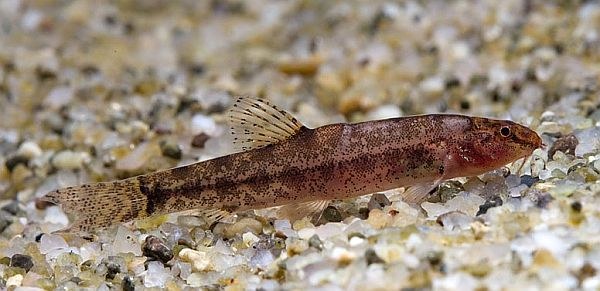
Lepidocephalichthys furcatus is a peaceful and intriguing micro-loach species, perfect for nano or planted aquariums. With a slender, torpedo-shaped body and subtle patterning, it’s a charming bottom-dweller that thrives in groups and displays fascinating natural behavior when kept in the right environment. Although relatively uncommon in the trade, Furcated Loaches are easy to care for and make excellent additions to peaceful community setups, especially those designed to mimic Southeast Asian biotopes.
Their quiet nature and ability to sift gently through the substrate help keep the tank clean while adding motion and life to the lower levels of the aquarium. These loaches are an excellent alternative to more common bottom dwellers for aquarists looking for something unique yet easygoing.
Care Guide
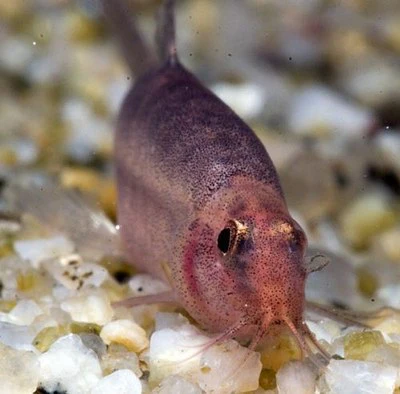
Furcated Loaches prefer soft, sandy substrates that allow them to burrow or sift through without damaging their delicate barbels. Provide plenty of hiding spaces with driftwood, leaf litter, rocks, or small caves to help them feel secure. They are best kept in small groups of five or more to encourage natural social behavior and reduce shyness. A tank size of 15 to 20 gallons or larger is ideal depending on group size.
They do well in calm, well-planted aquariums with moderate flow and stable water conditions. Ideal parameters include a temperature range of 72–78°F (22–26°C), a pH of 6.5 to 7.5, and soft to moderately hard water. Clean, well-filtered water is essential, as these loaches are sensitive to poor water quality and oxygen depletion. Regular weekly water changes will help keep them healthy and active.
Lepidocephalichthys furcatus are micro-predators and omnivores. In captivity, they accept a wide variety of sinking foods including micro pellets, crushed flakes, Repashy gel foods, and frozen or live offerings such as bloodworms, daphnia, and baby brine shrimp. Their small mouths and subtle feeding style make them excellent tankmates for shrimp and other peaceful, slow-feeding species.
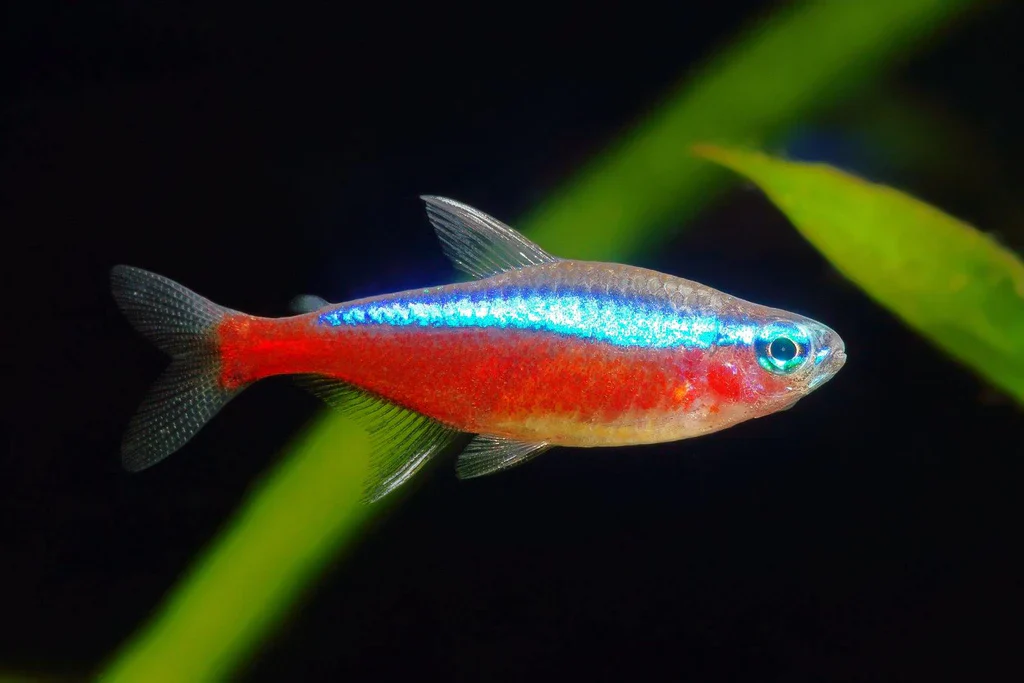
Avoid housing them with overly boisterous or large fish. Ideal tankmates include small rasboras, peaceful gouramis, ricefish, ember tetras, kuhli loaches, and other small Southeast Asian community fish.
Breeding Notes
Little is documented about captive breeding of Lepidocephalichthys furcatus, though it is believed they scatter their eggs among fine-leaved plants or dense substrate. They are not known to display parental care. If breeding is attempted, provide a dedicated spawning tank with gentle filtration and plenty of cover. Egg and fry survival may improve with the removal of adults post-spawning.
Product Information
Product Information
Shipping & Returns
Shipping & Returns
Furcatus Loach
Furcatus Loach
Lepidocephalichthys furcatus
Scientific Name: Lepidocephalichthys furcatus
Common Names: Furcated Loach, Forktail Loach, Furcatus Loach
Origin: Southeast Asia – typically found in slow-moving streams and floodplains in Myanmar, Thailand, and surrounding regions
Adult Size: 2–2.5 inches (5–6.5 cm)
Lifespan: 4–6 years
Temperament: Peaceful, shy, bottom-dweller
Swimming Zone: Bottom
Sales Description
Lepidocephalichthys furcatus is a peaceful and intriguing micro-loach species, perfect for nano or planted aquariums. With a slender, torpedo-shaped body and subtle patterning, it’s a charming bottom-dweller that thrives in groups and displays fascinating natural behavior when kept in the right environment. Although relatively uncommon in the trade, Furcated Loaches are easy to care for and make excellent additions to peaceful community setups, especially those designed to mimic Southeast Asian biotopes.
Their quiet nature and ability to sift gently through the substrate help keep the tank clean while adding motion and life to the lower levels of the aquarium. These loaches are an excellent alternative to more common bottom dwellers for aquarists looking for something unique yet easygoing.
Care Guide
Furcated Loaches prefer soft, sandy substrates that allow them to burrow or sift through without damaging their delicate barbels. Provide plenty of hiding spaces with driftwood, leaf litter, rocks, or small caves to help them feel secure. They are best kept in small groups of five or more to encourage natural social behavior and reduce shyness. A tank size of 15 to 20 gallons or larger is ideal depending on group size.
They do well in calm, well-planted aquariums with moderate flow and stable water conditions. Ideal parameters include a temperature range of 72–78°F (22–26°C), a pH of 6.5 to 7.5, and soft to moderately hard water. Clean, well-filtered water is essential, as these loaches are sensitive to poor water quality and oxygen depletion. Regular weekly water changes will help keep them healthy and active.
Lepidocephalichthys furcatus are micro-predators and omnivores. In captivity, they accept a wide variety of sinking foods including micro pellets, crushed flakes, Repashy gel foods, and frozen or live offerings such as bloodworms, daphnia, and baby brine shrimp. Their small mouths and subtle feeding style make them excellent tankmates for shrimp and other peaceful, slow-feeding species.
Avoid housing them with overly boisterous or large fish. Ideal tankmates include small rasboras, peaceful gouramis, ricefish, ember tetras, kuhli loaches, and other small Southeast Asian community fish.
Breeding Notes
Little is documented about captive breeding of Lepidocephalichthys furcatus, though it is believed they scatter their eggs among fine-leaved plants or dense substrate. They are not known to display parental care. If breeding is attempted, provide a dedicated spawning tank with gentle filtration and plenty of cover. Egg and fry survival may improve with the removal of adults post-spawning.
Original: $3.65
-65%$3.65
$1.28Product Information
Product Information
Shipping & Returns
Shipping & Returns
Description
Lepidocephalichthys furcatus
Scientific Name: Lepidocephalichthys furcatus
Common Names: Furcated Loach, Forktail Loach, Furcatus Loach
Origin: Southeast Asia – typically found in slow-moving streams and floodplains in Myanmar, Thailand, and surrounding regions
Adult Size: 2–2.5 inches (5–6.5 cm)
Lifespan: 4–6 years
Temperament: Peaceful, shy, bottom-dweller
Swimming Zone: Bottom
Sales Description
Lepidocephalichthys furcatus is a peaceful and intriguing micro-loach species, perfect for nano or planted aquariums. With a slender, torpedo-shaped body and subtle patterning, it’s a charming bottom-dweller that thrives in groups and displays fascinating natural behavior when kept in the right environment. Although relatively uncommon in the trade, Furcated Loaches are easy to care for and make excellent additions to peaceful community setups, especially those designed to mimic Southeast Asian biotopes.
Their quiet nature and ability to sift gently through the substrate help keep the tank clean while adding motion and life to the lower levels of the aquarium. These loaches are an excellent alternative to more common bottom dwellers for aquarists looking for something unique yet easygoing.
Care Guide
Furcated Loaches prefer soft, sandy substrates that allow them to burrow or sift through without damaging their delicate barbels. Provide plenty of hiding spaces with driftwood, leaf litter, rocks, or small caves to help them feel secure. They are best kept in small groups of five or more to encourage natural social behavior and reduce shyness. A tank size of 15 to 20 gallons or larger is ideal depending on group size.
They do well in calm, well-planted aquariums with moderate flow and stable water conditions. Ideal parameters include a temperature range of 72–78°F (22–26°C), a pH of 6.5 to 7.5, and soft to moderately hard water. Clean, well-filtered water is essential, as these loaches are sensitive to poor water quality and oxygen depletion. Regular weekly water changes will help keep them healthy and active.
Lepidocephalichthys furcatus are micro-predators and omnivores. In captivity, they accept a wide variety of sinking foods including micro pellets, crushed flakes, Repashy gel foods, and frozen or live offerings such as bloodworms, daphnia, and baby brine shrimp. Their small mouths and subtle feeding style make them excellent tankmates for shrimp and other peaceful, slow-feeding species.
Avoid housing them with overly boisterous or large fish. Ideal tankmates include small rasboras, peaceful gouramis, ricefish, ember tetras, kuhli loaches, and other small Southeast Asian community fish.
Breeding Notes
Little is documented about captive breeding of Lepidocephalichthys furcatus, though it is believed they scatter their eggs among fine-leaved plants or dense substrate. They are not known to display parental care. If breeding is attempted, provide a dedicated spawning tank with gentle filtration and plenty of cover. Egg and fry survival may improve with the removal of adults post-spawning.