Live Vinegar Eel Culture
Vinegar Eel Live Culture
Scientific Name: Turbatrix aceti
Common Names: Vinegar Eels, Micro Nematodes
Size: Microscopic (0.5–2 mm)
Use: Live fry food
Shelf Life: Long-term, self-sustaining culture
Description
Vinegar Eels are one of the most reliable and beginner-friendly live foods available for raising fish fry. These microscopic nematodes live in a vinegar-based culture and provide a constant, self-replenishing food source ideal for newly hatched fry that are too small to consume baby brine shrimp.
This live culture is offered in convenient 2oz or 4oz portions and is ready to use upon arrival. Vinegar eels remain suspended in the water column for extended periods, giving fry plenty of time to feed naturally. Their small size and continuous movement make them especially effective for species such as bettas, tetras, rasboras, apistogramma, and other egg-layer fry.
Unlike many other live foods, vinegar eel cultures are extremely low-maintenance, odor-resistant compared to other cultures, and can last for months with minimal upkeep. This makes them a staple for breeders and hobbyists looking for a dependable first food source.
Care and Maintenance Guide
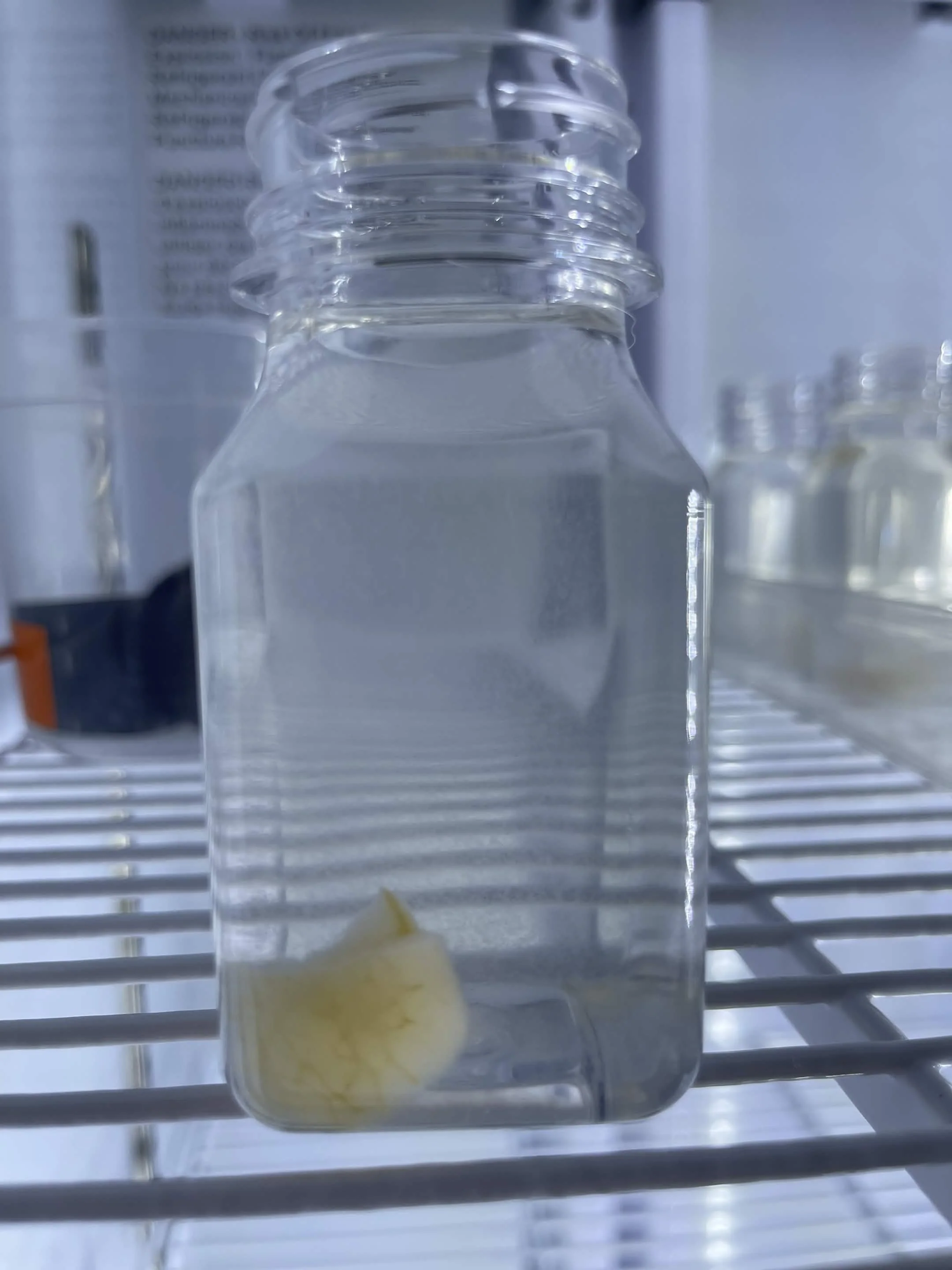
Vinegar eel cultures are kept in a simple mixture of apple cider vinegar and water, typically with a small food source such as apple slices. Store the culture at room temperature in a loosely covered container to allow airflow while preventing contamination. Avoid sealing the container completely, as the culture requires oxygen exchange to remain healthy.
Over time, the culture will naturally reproduce and become denser. To maintain long-term productivity, it is recommended to occasionally refresh the culture by adding small amounts of fresh apple or transferring a portion into a new container with fresh vinegar solution.
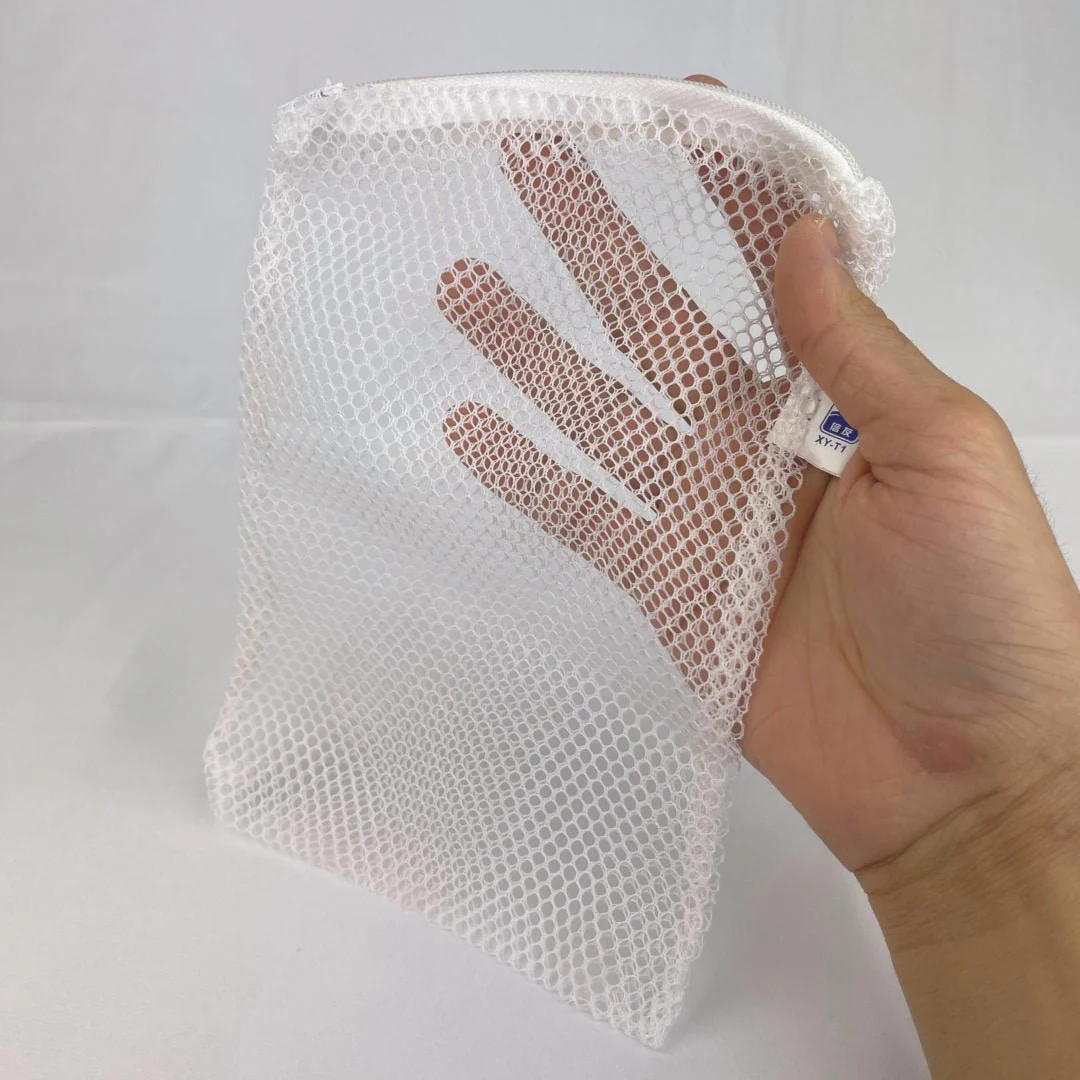
Harvesting vinegar eels is simple and clean. They can be collected by filtering culture liquid through fine filter floss, a coffee filter, or a specialized harvesting setup, then rinsed with fresh water before feeding. This ensures minimal vinegar enters the aquarium. Alternatively, small amounts can be dosed directly in fry tanks in very small quantities if needed.
Feeding Benefits
Vinegar eels are ideal as a first food due to their extremely small size and ability to survive in freshwater for extended periods, unlike some other live foods that die quickly. This allows fry to graze naturally over time, improving survival rates and early growth. They are especially useful during the critical first days of fry development before transitioning to larger foods like baby brine shrimp or microworms.
Product Information
Product Information
Shipping & Returns
Shipping & Returns
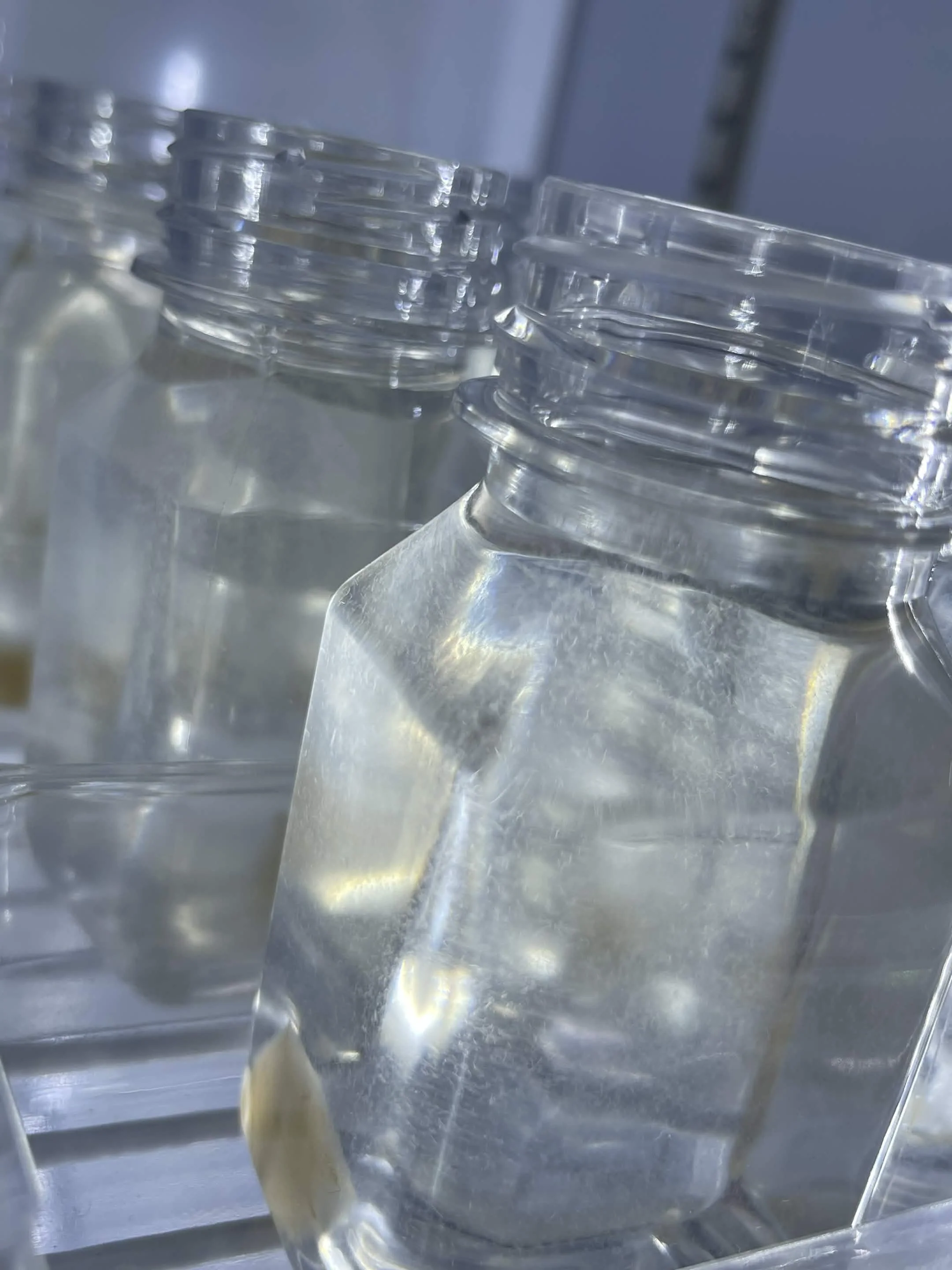
Live Vinegar Eel Culture
Live Vinegar Eel Culture
Vinegar Eel Live Culture
Scientific Name: Turbatrix aceti
Common Names: Vinegar Eels, Micro Nematodes
Size: Microscopic (0.5–2 mm)
Use: Live fry food
Shelf Life: Long-term, self-sustaining culture
Description
Vinegar Eels are one of the most reliable and beginner-friendly live foods available for raising fish fry. These microscopic nematodes live in a vinegar-based culture and provide a constant, self-replenishing food source ideal for newly hatched fry that are too small to consume baby brine shrimp.
This live culture is offered in convenient 2oz or 4oz portions and is ready to use upon arrival. Vinegar eels remain suspended in the water column for extended periods, giving fry plenty of time to feed naturally. Their small size and continuous movement make them especially effective for species such as bettas, tetras, rasboras, apistogramma, and other egg-layer fry.
Unlike many other live foods, vinegar eel cultures are extremely low-maintenance, odor-resistant compared to other cultures, and can last for months with minimal upkeep. This makes them a staple for breeders and hobbyists looking for a dependable first food source.
Care and Maintenance Guide
Vinegar eel cultures are kept in a simple mixture of apple cider vinegar and water, typically with a small food source such as apple slices. Store the culture at room temperature in a loosely covered container to allow airflow while preventing contamination. Avoid sealing the container completely, as the culture requires oxygen exchange to remain healthy.
Over time, the culture will naturally reproduce and become denser. To maintain long-term productivity, it is recommended to occasionally refresh the culture by adding small amounts of fresh apple or transferring a portion into a new container with fresh vinegar solution.
Harvesting vinegar eels is simple and clean. They can be collected by filtering culture liquid through fine filter floss, a coffee filter, or a specialized harvesting setup, then rinsed with fresh water before feeding. This ensures minimal vinegar enters the aquarium. Alternatively, small amounts can be dosed directly in fry tanks in very small quantities if needed.
Feeding Benefits
Vinegar eels are ideal as a first food due to their extremely small size and ability to survive in freshwater for extended periods, unlike some other live foods that die quickly. This allows fry to graze naturally over time, improving survival rates and early growth. They are especially useful during the critical first days of fry development before transitioning to larger foods like baby brine shrimp or microworms.
Original: $7.30
-65%$7.30
$2.55Product Information
Product Information
Shipping & Returns
Shipping & Returns
Description
Vinegar Eel Live Culture
Scientific Name: Turbatrix aceti
Common Names: Vinegar Eels, Micro Nematodes
Size: Microscopic (0.5–2 mm)
Use: Live fry food
Shelf Life: Long-term, self-sustaining culture
Description
Vinegar Eels are one of the most reliable and beginner-friendly live foods available for raising fish fry. These microscopic nematodes live in a vinegar-based culture and provide a constant, self-replenishing food source ideal for newly hatched fry that are too small to consume baby brine shrimp.
This live culture is offered in convenient 2oz or 4oz portions and is ready to use upon arrival. Vinegar eels remain suspended in the water column for extended periods, giving fry plenty of time to feed naturally. Their small size and continuous movement make them especially effective for species such as bettas, tetras, rasboras, apistogramma, and other egg-layer fry.
Unlike many other live foods, vinegar eel cultures are extremely low-maintenance, odor-resistant compared to other cultures, and can last for months with minimal upkeep. This makes them a staple for breeders and hobbyists looking for a dependable first food source.
Care and Maintenance Guide
Vinegar eel cultures are kept in a simple mixture of apple cider vinegar and water, typically with a small food source such as apple slices. Store the culture at room temperature in a loosely covered container to allow airflow while preventing contamination. Avoid sealing the container completely, as the culture requires oxygen exchange to remain healthy.
Over time, the culture will naturally reproduce and become denser. To maintain long-term productivity, it is recommended to occasionally refresh the culture by adding small amounts of fresh apple or transferring a portion into a new container with fresh vinegar solution.
Harvesting vinegar eels is simple and clean. They can be collected by filtering culture liquid through fine filter floss, a coffee filter, or a specialized harvesting setup, then rinsed with fresh water before feeding. This ensures minimal vinegar enters the aquarium. Alternatively, small amounts can be dosed directly in fry tanks in very small quantities if needed.
Feeding Benefits
Vinegar eels are ideal as a first food due to their extremely small size and ability to survive in freshwater for extended periods, unlike some other live foods that die quickly. This allows fry to graze naturally over time, improving survival rates and early growth. They are especially useful during the critical first days of fry development before transitioning to larger foods like baby brine shrimp or microworms.