Pygmy Hatchetfish
Pictures of fish and fish in store may vary, these are just examples/fully grown fish
Pygmy Hatchetfish
Scientific Name: Carnegiella myersi
Common Names: Pygmy Hatchetfish, Myers’ Hatchetfish
Origin: Upper Amazon Basin, South America
Adult Size: 1 inch (2.5 cm)
Lifespan: 3–5 years
Temperament: Peaceful, schooling
Difficulty Level: Intermediate
Sales Description
The Pygmy Hatchetfish (Carnegiella myersi) is a delicate and fascinating surface-dwelling species prized for its small size, shimmering body, and unique “hatchet” shape. This fish has a beautiful silvery-golden sheen that catches the light as it glides just below the water’s surface. Ideal for nano or community aquariums, the Pygmy Hatchetfish brings movement and elegance to the upper levels of the tank.
Known for its distinctive body shape and darting behavior, this species is peaceful and thrives in groups of six or more. Their gentle nature makes them excellent tankmates for other small, calm fish such as tetras, rasboras, and dwarf corydoras. When kept in groups, they exhibit natural schooling behaviors and feel more secure, resulting in more active and visible fish.
Care Guide
Pygmy Hatchetfish are best suited for well-maintained aquariums with soft, slightly acidic water and gentle filtration. A minimum tank size of 15–20 gallons is recommended for a small group. Provide a tightly fitting lid, as hatchetfish are exceptional jumpers that can easily leap out of open tanks. Floating plants such as Salvinia or Amazon frogbit are highly beneficial — they diffuse lighting, provide cover, and help reduce stress.
Ideal water conditions include a temperature range of 75–82°F (24–28°C), pH between 6.0 and 7.2, and soft to moderately hard water. Maintain excellent water quality through regular changes and ensure good surface agitation for oxygenation without creating strong currents, as these fish prefer calm surface waters.
Feed a varied diet consisting of small floating foods such as micro pellets, crushed flakes, and freeze-dried or frozen options like daphnia, bloodworms, or brine shrimp. Due to their upturned mouths and surface-feeding habits, food that sinks quickly may be ignored, so offer slow-floating or suspended foods that linger near the top.
Breeding Notes
Breeding Carnegiella myersi in captivity is rare and challenging due to their specific spawning requirements and sensitivity to changes. In nature, they spawn near the water’s surface among dense vegetation. Conditioning adults with high-quality live or frozen foods and maintaining very soft, warm water can sometimes encourage breeding.
Product Information
Product Information
Shipping & Returns
Shipping & Returns
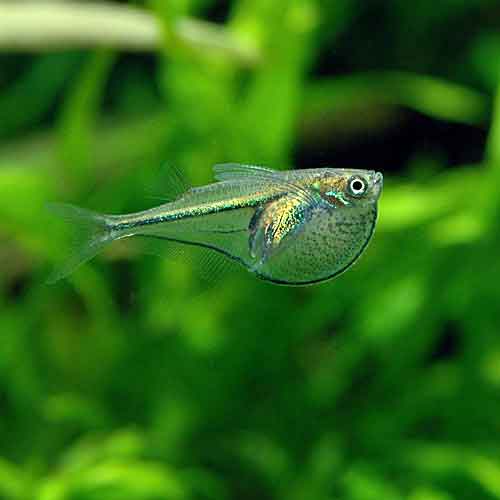
Pygmy Hatchetfish
Pygmy Hatchetfish
Pictures of fish and fish in store may vary, these are just examples/fully grown fish
Pygmy Hatchetfish
Scientific Name: Carnegiella myersi
Common Names: Pygmy Hatchetfish, Myers’ Hatchetfish
Origin: Upper Amazon Basin, South America
Adult Size: 1 inch (2.5 cm)
Lifespan: 3–5 years
Temperament: Peaceful, schooling
Difficulty Level: Intermediate
Sales Description
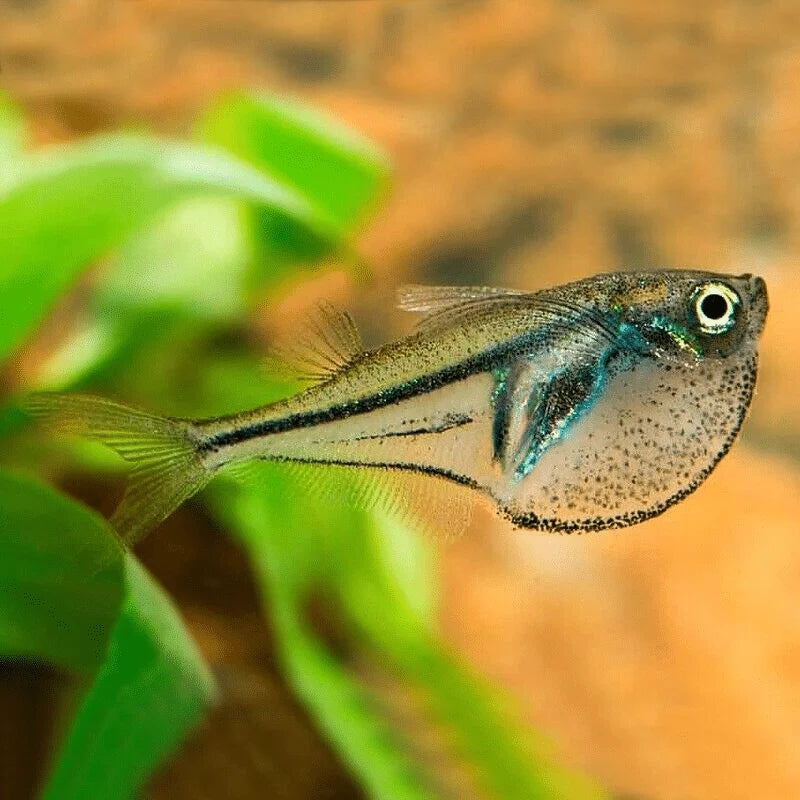
The Pygmy Hatchetfish (Carnegiella myersi) is a delicate and fascinating surface-dwelling species prized for its small size, shimmering body, and unique “hatchet” shape. This fish has a beautiful silvery-golden sheen that catches the light as it glides just below the water’s surface. Ideal for nano or community aquariums, the Pygmy Hatchetfish brings movement and elegance to the upper levels of the tank.
Known for its distinctive body shape and darting behavior, this species is peaceful and thrives in groups of six or more. Their gentle nature makes them excellent tankmates for other small, calm fish such as tetras, rasboras, and dwarf corydoras. When kept in groups, they exhibit natural schooling behaviors and feel more secure, resulting in more active and visible fish.
Care Guide
Pygmy Hatchetfish are best suited for well-maintained aquariums with soft, slightly acidic water and gentle filtration. A minimum tank size of 15–20 gallons is recommended for a small group. Provide a tightly fitting lid, as hatchetfish are exceptional jumpers that can easily leap out of open tanks. Floating plants such as Salvinia or Amazon frogbit are highly beneficial — they diffuse lighting, provide cover, and help reduce stress.
Ideal water conditions include a temperature range of 75–82°F (24–28°C), pH between 6.0 and 7.2, and soft to moderately hard water. Maintain excellent water quality through regular changes and ensure good surface agitation for oxygenation without creating strong currents, as these fish prefer calm surface waters.
Feed a varied diet consisting of small floating foods such as micro pellets, crushed flakes, and freeze-dried or frozen options like daphnia, bloodworms, or brine shrimp. Due to their upturned mouths and surface-feeding habits, food that sinks quickly may be ignored, so offer slow-floating or suspended foods that linger near the top.
Breeding Notes
Breeding Carnegiella myersi in captivity is rare and challenging due to their specific spawning requirements and sensitivity to changes. In nature, they spawn near the water’s surface among dense vegetation. Conditioning adults with high-quality live or frozen foods and maintaining very soft, warm water can sometimes encourage breeding.
Original: $4.38
-65%$4.38
$1.53Product Information
Product Information
Shipping & Returns
Shipping & Returns
Description
Pictures of fish and fish in store may vary, these are just examples/fully grown fish
Pygmy Hatchetfish
Scientific Name: Carnegiella myersi
Common Names: Pygmy Hatchetfish, Myers’ Hatchetfish
Origin: Upper Amazon Basin, South America
Adult Size: 1 inch (2.5 cm)
Lifespan: 3–5 years
Temperament: Peaceful, schooling
Difficulty Level: Intermediate
Sales Description
The Pygmy Hatchetfish (Carnegiella myersi) is a delicate and fascinating surface-dwelling species prized for its small size, shimmering body, and unique “hatchet” shape. This fish has a beautiful silvery-golden sheen that catches the light as it glides just below the water’s surface. Ideal for nano or community aquariums, the Pygmy Hatchetfish brings movement and elegance to the upper levels of the tank.
Known for its distinctive body shape and darting behavior, this species is peaceful and thrives in groups of six or more. Their gentle nature makes them excellent tankmates for other small, calm fish such as tetras, rasboras, and dwarf corydoras. When kept in groups, they exhibit natural schooling behaviors and feel more secure, resulting in more active and visible fish.
Care Guide
Pygmy Hatchetfish are best suited for well-maintained aquariums with soft, slightly acidic water and gentle filtration. A minimum tank size of 15–20 gallons is recommended for a small group. Provide a tightly fitting lid, as hatchetfish are exceptional jumpers that can easily leap out of open tanks. Floating plants such as Salvinia or Amazon frogbit are highly beneficial — they diffuse lighting, provide cover, and help reduce stress.
Ideal water conditions include a temperature range of 75–82°F (24–28°C), pH between 6.0 and 7.2, and soft to moderately hard water. Maintain excellent water quality through regular changes and ensure good surface agitation for oxygenation without creating strong currents, as these fish prefer calm surface waters.
Feed a varied diet consisting of small floating foods such as micro pellets, crushed flakes, and freeze-dried or frozen options like daphnia, bloodworms, or brine shrimp. Due to their upturned mouths and surface-feeding habits, food that sinks quickly may be ignored, so offer slow-floating or suspended foods that linger near the top.
Breeding Notes
Breeding Carnegiella myersi in captivity is rare and challenging due to their specific spawning requirements and sensitivity to changes. In nature, they spawn near the water’s surface among dense vegetation. Conditioning adults with high-quality live or frozen foods and maintaining very soft, warm water can sometimes encourage breeding.