Red Devil Vampire Crab
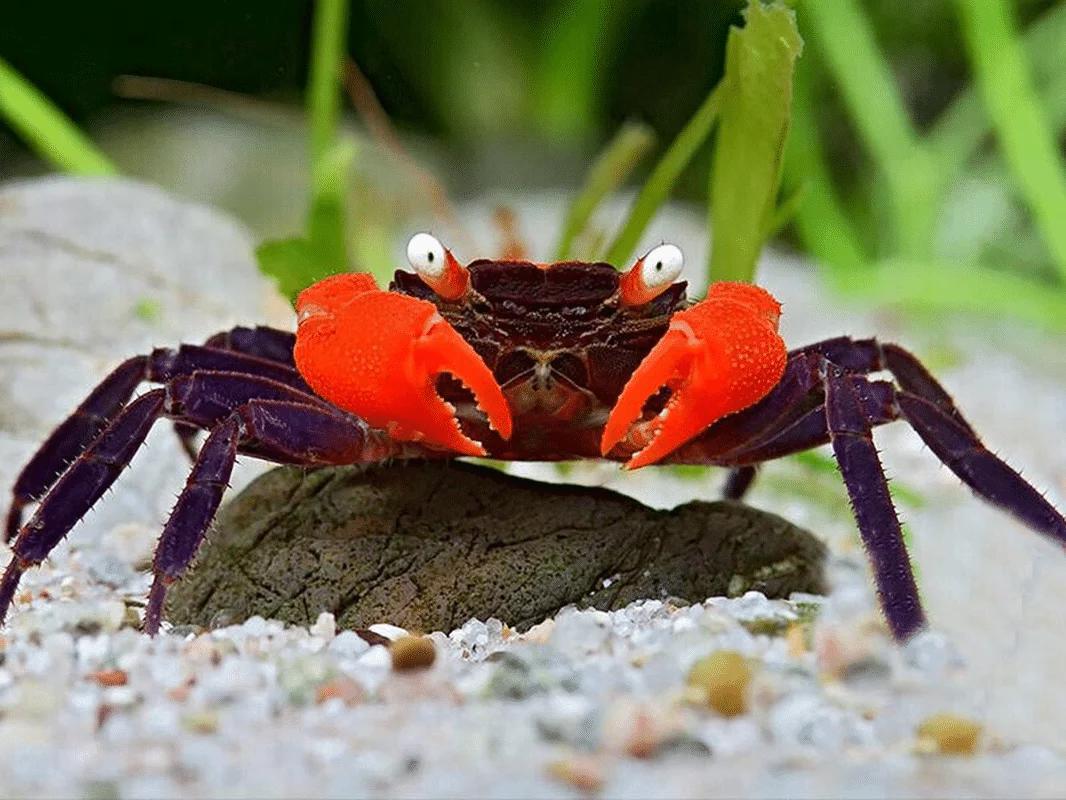
Elevate your paludarium or vivarium with the Red Devil Vampire Crab (Geosesarma hagen), a stunning and unique land-dwelling crustacean that brings vivid coloration and fascinating behavior to your setup. With their striking deep red bodies, mesmerizing eyes, and vibrant purple claws, these crabs are a true spectacle to observe. Easy to care for and endlessly entertaining, they’re perfect for dedicated hobbyists looking to add a captivating, colorful creature to their semi-aquatic environment.
Care Guide:
Scientific Name: Geosesarma hagen
Common Name: Red Devil Vampire Crab
Family: Sesarmidae
Origin: Native to the lush, tropical regions of Southeast Asia, particularly found in Java and surrounding islands.
1. Habitat and Enclosure Setup:
- Tank Type: Paludarium or a terrarium with a water feature.
- Minimum Enclosure Size: 10-gallon tank for a small group of 3-4 crabs.
- Substrate: Use a combination of sandy soil and coco fiber to maintain humidity and support burrowing.
- Water Feature: Provide a shallow freshwater area that takes up around 30% of the enclosure, with gentle slopes for easy access. The water must be dechlorinated and well-filtered.
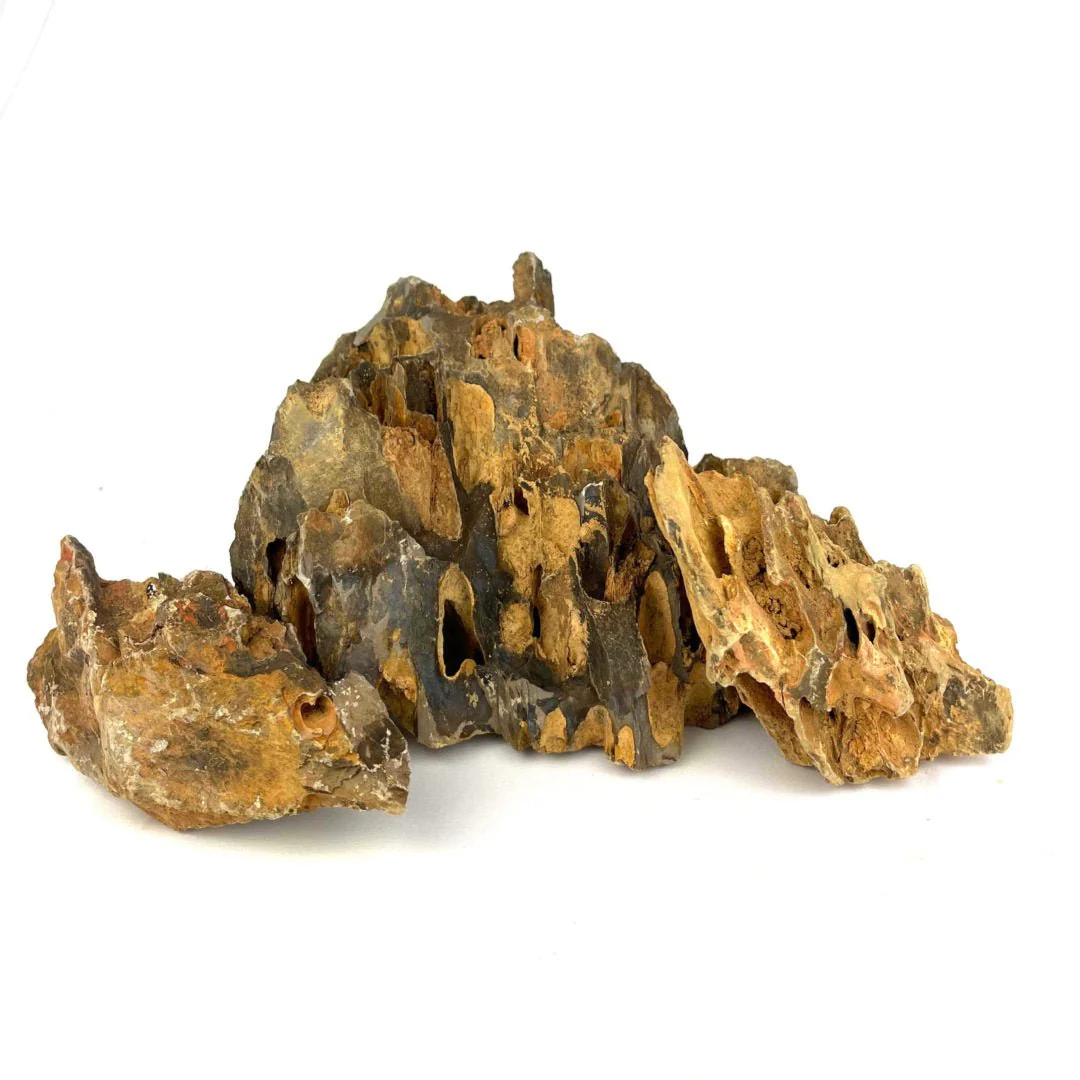
- Land Area: The majority of the enclosure should be land-based, with moss, rocks, and bark to create hiding places and climbing spots.
- Decor: Live plants such as pothos, ferns, and mosses help maintain humidity and add to the natural feel of the enclosure.
- Humidity: Maintain high humidity levels between 75-85%. Misting the enclosure daily will help maintain this.
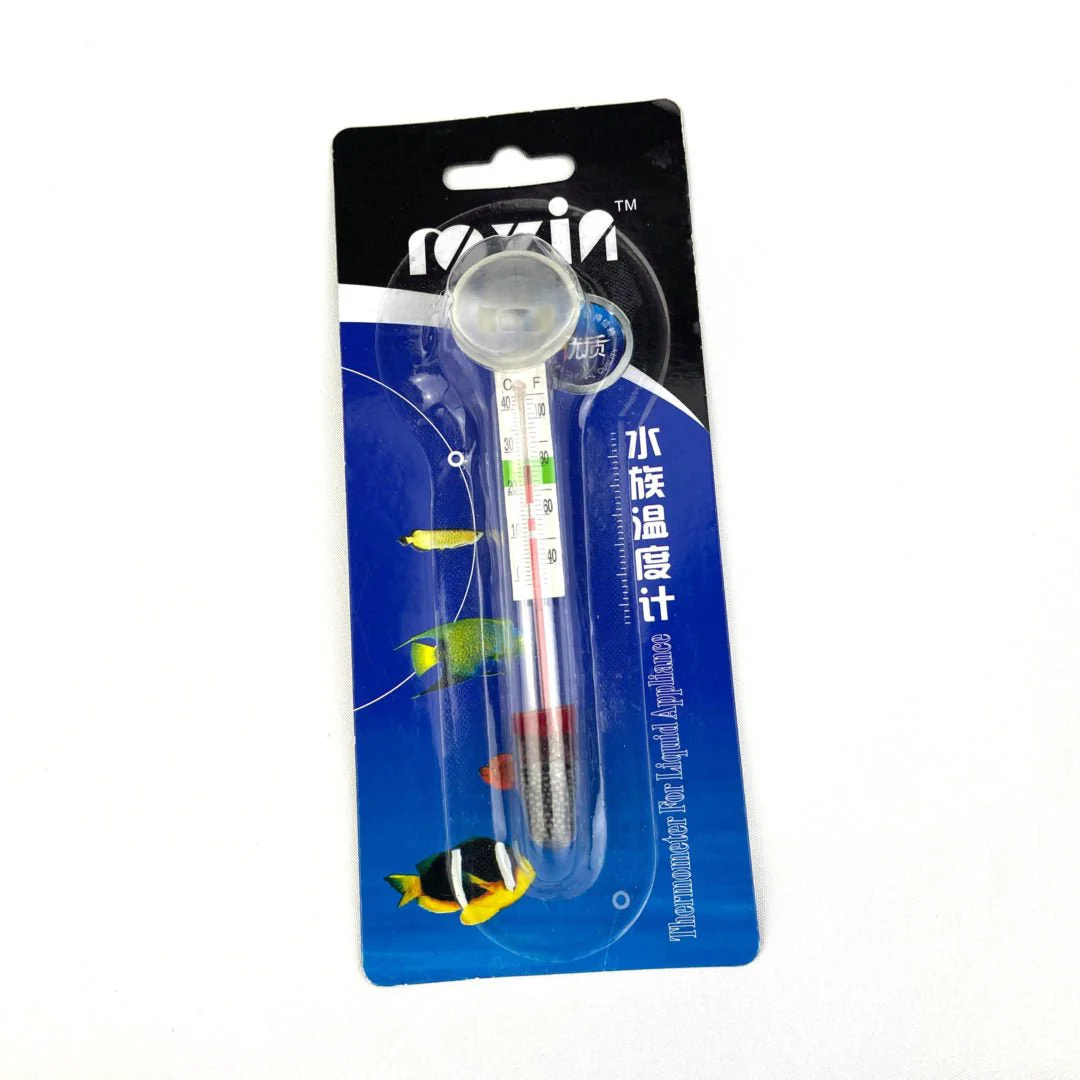
- Temperature: Keep the enclosure between 75°F and 85°F (24°C to 29°C) with a gentle heat source if necessary.
- Lighting: Use low to moderate lighting and provide a day-night cycle of 12 hours of light and 12 hours of darkness.
Tip: Ensure the enclosure has a secure lid, as these crabs are excellent climbers and escape artists.
2. Water Parameters:
- Water Type: Freshwater, fully dechlorinated and clean.
- pH Range: Neutral to slightly alkaline, between 7.0 and 8.0.
- Water Changes: Perform partial water changes every week to keep the water clean and free from harmful substances.
3. Diet and Feeding:
Red Devil Vampire Crabs are omnivores, enjoying a varied diet consisting of both animal and plant matter.
- Primary Diet: Commercial crab pellets, fish flakes, and shrimp pellets are a good staple.
- Supplementary Foods: Offer protein-rich snacks like bloodworms, brine shrimp, or pieces of cooked fish. For plant matter, blanched vegetables like zucchini and leafy greens are ideal.
- Feeding Schedule: Feed them 3-4 times a week, removing any uneaten food promptly to prevent fouling.
Tip: They benefit from calcium sources like cuttlebone pieces to support healthy exoskeleton development.
4. Behavior and Social Structure:
- Activity Level: Red Devil Vampire Crabs are primarily nocturnal but can often be seen exploring their habitat during the day.
- Social Structure: They are best kept in small groups, but be cautious of territorial disputes. Provide plenty of hiding spaces to reduce aggression. A ratio of one male to several females usually works well.
- Molting: Like all crustaceans, they molt as they grow. During molting, they will be vulnerable, so ensure there are ample hiding places.
5. Tank Mates:
- Compatibility: Keep Red Devil Vampire Crabs in species-only setups or with other non-predatory, land-dwelling creatures like isopods or springtails that won’t harm them.
- Caution: Do not house them with fish, as the crabs may become predatory, and avoid mixing different crab species to prevent conflicts.
Health and Lifespan:
Red Devil Vampire Crabs generally live for 2-3 years in captivity with proper care. Monitor for signs of illness, such as lethargy or a refusal to eat, and ensure that their environment remains stable to prevent stress-related issues.
Breeding:
Breeding Red Devil Vampire Crabs is possible but challenging. The females carry fertilized eggs under their abdomen until they hatch into fully developed juvenile crabs. Ensure a stable environment and provide extra hiding spots for both the females and the young crabs.
Key Care Tips:
- Maintain high humidity and a consistent temperature.
- Provide a well-structured habitat with ample hiding spaces.
- Offer a varied diet rich in calcium for healthy growth.
- Regularly clean the water feature and mist the enclosure.
Introduce a group of Red Devil Vampire Crabs to your setup, and watch as these enchanting creatures transform your paludarium into a vibrant, thriving ecosystem!
Product Information
Product Information
Shipping & Returns
Shipping & Returns
Red Devil Vampire Crab
Red Devil Vampire Crab
Elevate your paludarium or vivarium with the Red Devil Vampire Crab (Geosesarma hagen), a stunning and unique land-dwelling crustacean that brings vivid coloration and fascinating behavior to your setup. With their striking deep red bodies, mesmerizing eyes, and vibrant purple claws, these crabs are a true spectacle to observe. Easy to care for and endlessly entertaining, they’re perfect for dedicated hobbyists looking to add a captivating, colorful creature to their semi-aquatic environment.
Care Guide:
Scientific Name: Geosesarma hagen
Common Name: Red Devil Vampire Crab
Family: Sesarmidae
Origin: Native to the lush, tropical regions of Southeast Asia, particularly found in Java and surrounding islands.
1. Habitat and Enclosure Setup:
- Tank Type: Paludarium or a terrarium with a water feature.
- Minimum Enclosure Size: 10-gallon tank for a small group of 3-4 crabs.
- Substrate: Use a combination of sandy soil and coco fiber to maintain humidity and support burrowing.
- Water Feature: Provide a shallow freshwater area that takes up around 30% of the enclosure, with gentle slopes for easy access. The water must be dechlorinated and well-filtered.
- Land Area: The majority of the enclosure should be land-based, with moss, rocks, and bark to create hiding places and climbing spots.
- Decor: Live plants such as pothos, ferns, and mosses help maintain humidity and add to the natural feel of the enclosure.
- Humidity: Maintain high humidity levels between 75-85%. Misting the enclosure daily will help maintain this.
- Temperature: Keep the enclosure between 75°F and 85°F (24°C to 29°C) with a gentle heat source if necessary.
- Lighting: Use low to moderate lighting and provide a day-night cycle of 12 hours of light and 12 hours of darkness.
Tip: Ensure the enclosure has a secure lid, as these crabs are excellent climbers and escape artists.
2. Water Parameters:
- Water Type: Freshwater, fully dechlorinated and clean.
- pH Range: Neutral to slightly alkaline, between 7.0 and 8.0.
- Water Changes: Perform partial water changes every week to keep the water clean and free from harmful substances.
3. Diet and Feeding:
Red Devil Vampire Crabs are omnivores, enjoying a varied diet consisting of both animal and plant matter.
- Primary Diet: Commercial crab pellets, fish flakes, and shrimp pellets are a good staple.
- Supplementary Foods: Offer protein-rich snacks like bloodworms, brine shrimp, or pieces of cooked fish. For plant matter, blanched vegetables like zucchini and leafy greens are ideal.
- Feeding Schedule: Feed them 3-4 times a week, removing any uneaten food promptly to prevent fouling.
Tip: They benefit from calcium sources like cuttlebone pieces to support healthy exoskeleton development.
4. Behavior and Social Structure:
- Activity Level: Red Devil Vampire Crabs are primarily nocturnal but can often be seen exploring their habitat during the day.
- Social Structure: They are best kept in small groups, but be cautious of territorial disputes. Provide plenty of hiding spaces to reduce aggression. A ratio of one male to several females usually works well.
- Molting: Like all crustaceans, they molt as they grow. During molting, they will be vulnerable, so ensure there are ample hiding places.
5. Tank Mates:
- Compatibility: Keep Red Devil Vampire Crabs in species-only setups or with other non-predatory, land-dwelling creatures like isopods or springtails that won’t harm them.
- Caution: Do not house them with fish, as the crabs may become predatory, and avoid mixing different crab species to prevent conflicts.
Health and Lifespan:
Red Devil Vampire Crabs generally live for 2-3 years in captivity with proper care. Monitor for signs of illness, such as lethargy or a refusal to eat, and ensure that their environment remains stable to prevent stress-related issues.
Breeding:
Breeding Red Devil Vampire Crabs is possible but challenging. The females carry fertilized eggs under their abdomen until they hatch into fully developed juvenile crabs. Ensure a stable environment and provide extra hiding spots for both the females and the young crabs.
Key Care Tips:
- Maintain high humidity and a consistent temperature.
- Provide a well-structured habitat with ample hiding spaces.
- Offer a varied diet rich in calcium for healthy growth.
- Regularly clean the water feature and mist the enclosure.
Introduce a group of Red Devil Vampire Crabs to your setup, and watch as these enchanting creatures transform your paludarium into a vibrant, thriving ecosystem!
Original: $18.27
-65%$18.27
$6.39Product Information
Product Information
Shipping & Returns
Shipping & Returns
Description
Elevate your paludarium or vivarium with the Red Devil Vampire Crab (Geosesarma hagen), a stunning and unique land-dwelling crustacean that brings vivid coloration and fascinating behavior to your setup. With their striking deep red bodies, mesmerizing eyes, and vibrant purple claws, these crabs are a true spectacle to observe. Easy to care for and endlessly entertaining, they’re perfect for dedicated hobbyists looking to add a captivating, colorful creature to their semi-aquatic environment.
Care Guide:
Scientific Name: Geosesarma hagen
Common Name: Red Devil Vampire Crab
Family: Sesarmidae
Origin: Native to the lush, tropical regions of Southeast Asia, particularly found in Java and surrounding islands.
1. Habitat and Enclosure Setup:
- Tank Type: Paludarium or a terrarium with a water feature.
- Minimum Enclosure Size: 10-gallon tank for a small group of 3-4 crabs.
- Substrate: Use a combination of sandy soil and coco fiber to maintain humidity and support burrowing.
- Water Feature: Provide a shallow freshwater area that takes up around 30% of the enclosure, with gentle slopes for easy access. The water must be dechlorinated and well-filtered.
- Land Area: The majority of the enclosure should be land-based, with moss, rocks, and bark to create hiding places and climbing spots.
- Decor: Live plants such as pothos, ferns, and mosses help maintain humidity and add to the natural feel of the enclosure.
- Humidity: Maintain high humidity levels between 75-85%. Misting the enclosure daily will help maintain this.
- Temperature: Keep the enclosure between 75°F and 85°F (24°C to 29°C) with a gentle heat source if necessary.
- Lighting: Use low to moderate lighting and provide a day-night cycle of 12 hours of light and 12 hours of darkness.
Tip: Ensure the enclosure has a secure lid, as these crabs are excellent climbers and escape artists.
2. Water Parameters:
- Water Type: Freshwater, fully dechlorinated and clean.
- pH Range: Neutral to slightly alkaline, between 7.0 and 8.0.
- Water Changes: Perform partial water changes every week to keep the water clean and free from harmful substances.
3. Diet and Feeding:
Red Devil Vampire Crabs are omnivores, enjoying a varied diet consisting of both animal and plant matter.
- Primary Diet: Commercial crab pellets, fish flakes, and shrimp pellets are a good staple.
- Supplementary Foods: Offer protein-rich snacks like bloodworms, brine shrimp, or pieces of cooked fish. For plant matter, blanched vegetables like zucchini and leafy greens are ideal.
- Feeding Schedule: Feed them 3-4 times a week, removing any uneaten food promptly to prevent fouling.
Tip: They benefit from calcium sources like cuttlebone pieces to support healthy exoskeleton development.
4. Behavior and Social Structure:
- Activity Level: Red Devil Vampire Crabs are primarily nocturnal but can often be seen exploring their habitat during the day.
- Social Structure: They are best kept in small groups, but be cautious of territorial disputes. Provide plenty of hiding spaces to reduce aggression. A ratio of one male to several females usually works well.
- Molting: Like all crustaceans, they molt as they grow. During molting, they will be vulnerable, so ensure there are ample hiding places.
5. Tank Mates:
- Compatibility: Keep Red Devil Vampire Crabs in species-only setups or with other non-predatory, land-dwelling creatures like isopods or springtails that won’t harm them.
- Caution: Do not house them with fish, as the crabs may become predatory, and avoid mixing different crab species to prevent conflicts.
Health and Lifespan:
Red Devil Vampire Crabs generally live for 2-3 years in captivity with proper care. Monitor for signs of illness, such as lethargy or a refusal to eat, and ensure that their environment remains stable to prevent stress-related issues.
Breeding:
Breeding Red Devil Vampire Crabs is possible but challenging. The females carry fertilized eggs under their abdomen until they hatch into fully developed juvenile crabs. Ensure a stable environment and provide extra hiding spots for both the females and the young crabs.
Key Care Tips:
- Maintain high humidity and a consistent temperature.
- Provide a well-structured habitat with ample hiding spaces.
- Offer a varied diet rich in calcium for healthy growth.
- Regularly clean the water feature and mist the enclosure.
Introduce a group of Red Devil Vampire Crabs to your setup, and watch as these enchanting creatures transform your paludarium into a vibrant, thriving ecosystem!