Yellow Back Purple Vampire Crab
Yellow Back Purple Vampire Crab
Scientific Name: Geosesarma cf. dennerle “Yellow Back”
Common Names: Yellow Back Vampire Crab, Purple Vampire Crab
Origin: Southeast Asia
Size: Up to 1.5 inches (carapace width)
Lifespan: 1.5 to 2 years
Temperament: Semi-social, peaceful, crepuscular (active at dawn and dusk)
Description
The Yellow Back Purple Vampire Crab is one of the most visually striking species in the Geosesarma genus. It features a deep purple body and claws accented with a vivid yellow marking across the carapace—earning it the “Yellow Back” nickname. These crabs are perfect for bioactive terrariums or paludariums and are highly sought after by hobbyists for their rare coloration and manageable size.
Semi-terrestrial and relatively easy to care for, these crabs prefer a humid setup with access to both land and shallow water. When kept in small groups with ample cover, they exhibit fascinating behavior and a confident presence, often seen exploring their environment at dawn and dusk.
Care Guide
Enclosure & Environment
-
Recommended Enclosure: Bioactive terrarium or paludarium with 70% land and 30% water
-
Minimum Size: 10 gallons for a small group
-
Substrate: Moist coconut fiber, sphagnum moss, leaf litter for burrowing and humidity
-
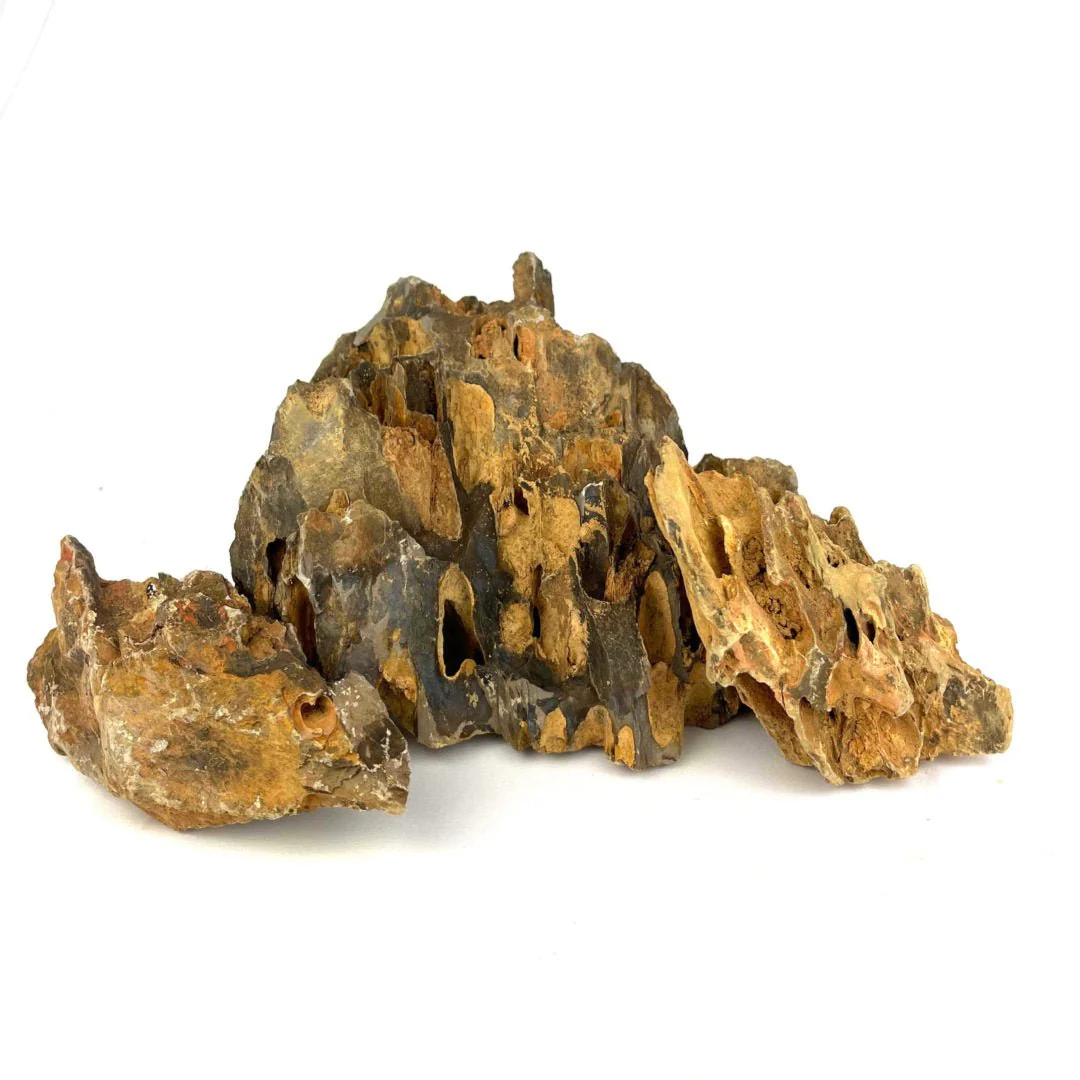
Decor: Driftwood, cork bark, stones, and plants to provide hiding spots and vertical space
-
Humidity: 80–90%; mist daily
-
Temperature: 75–82°F (24–28°C)
-
Lighting: Ambient room lighting or low-intensity terrarium lighting
-
Water Access: Shallow, dechlorinated freshwater pool or dish (1–2 inches deep)
Water Parameters
-
pH: 6.5–7.5
-
Cleanliness: Keep water clean with regular changes; use a small sponge filter in paludariums
Diet & Feeding
-
Feeding Frequency: 3 to 4 times per week
-
Diet Type: Omnivorous
-
Protein: Bloodworms, shrimp, crickets, insect-based pellets
-
Plant Matter: Blanched spinach, kale, zucchini, algae wafers
-
Supplements: Crushed cuttlebone or powdered calcium to support healthy molts
-
Social Behavior & Compatibility
-
Group Dynamics: Best in small groups (1 male to 2 females recommended)
-
Tankmates: Other Geosesarma crabs only; avoid aggressive or large species
-
Territoriality: Provide multiple hiding spots to reduce aggression
Molting
-
Crabs molt regularly as they grow. During this time, they may hide for several days.
-
Never remove what appears to be a dead crab without verifying if it's a molted exoskeleton.
-
Ensure deep substrate and secure hiding areas to reduce stress during molting.
Maintenance Tips
-
Spot clean daily to remove leftover food and waste
-
Replace or clean water regularly
-
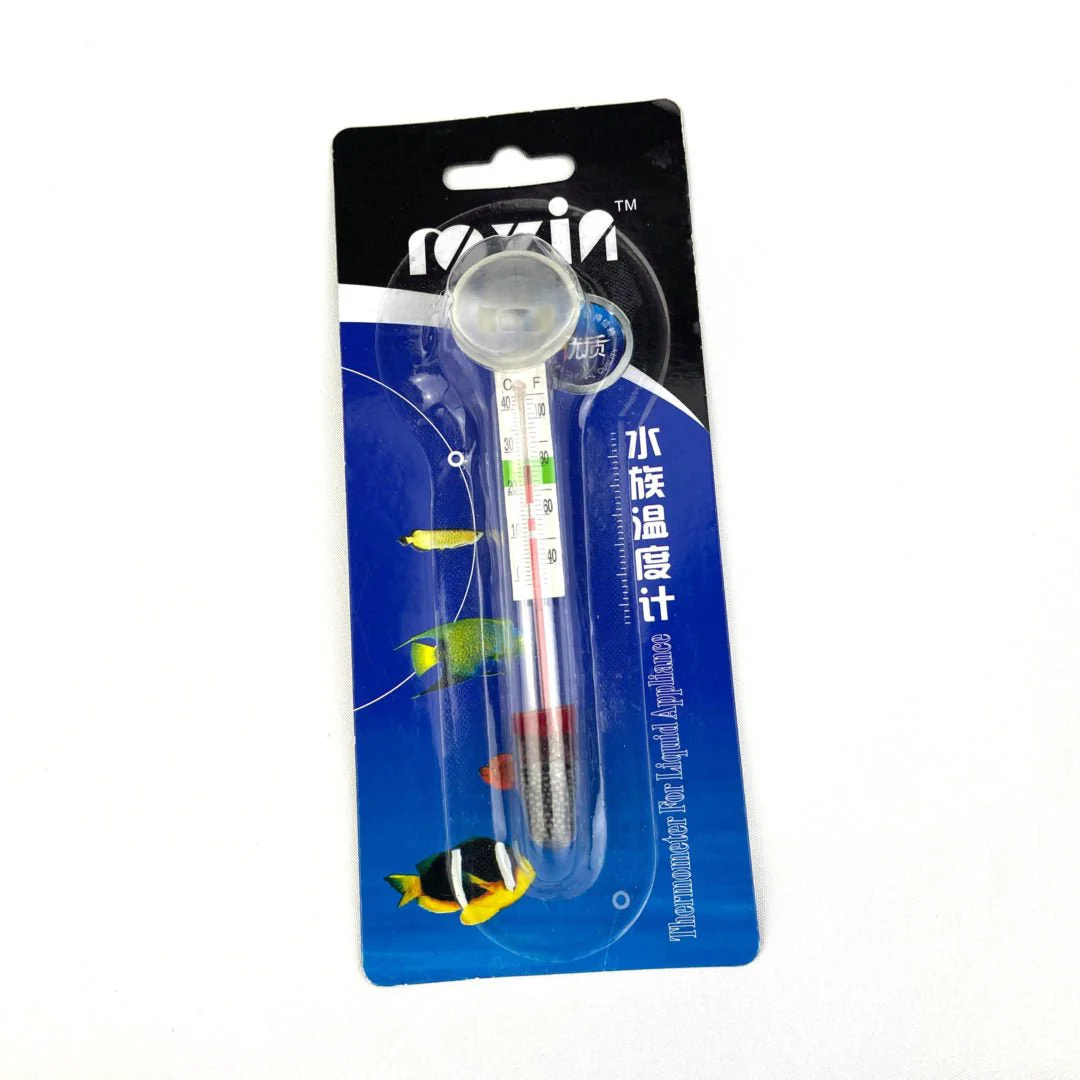
Monitor temperature and humidity with accurate thermometers and hygrometers
-
Avoid sudden environmental changes
Available at Planted Aquaria
The Yellow Back Purple Vampire Crab is a rare, captivating species ideal for advanced terrarium enthusiasts or those looking to expand their exotic invertebrate collection. Limited availability due to seasonal imports and high demand.
Product Information
Product Information
Shipping & Returns
Shipping & Returns
Yellow Back Purple Vampire Crab
Yellow Back Purple Vampire Crab
Yellow Back Purple Vampire Crab
Scientific Name: Geosesarma cf. dennerle “Yellow Back”
Common Names: Yellow Back Vampire Crab, Purple Vampire Crab
Origin: Southeast Asia
Size: Up to 1.5 inches (carapace width)
Lifespan: 1.5 to 2 years
Temperament: Semi-social, peaceful, crepuscular (active at dawn and dusk)
Description
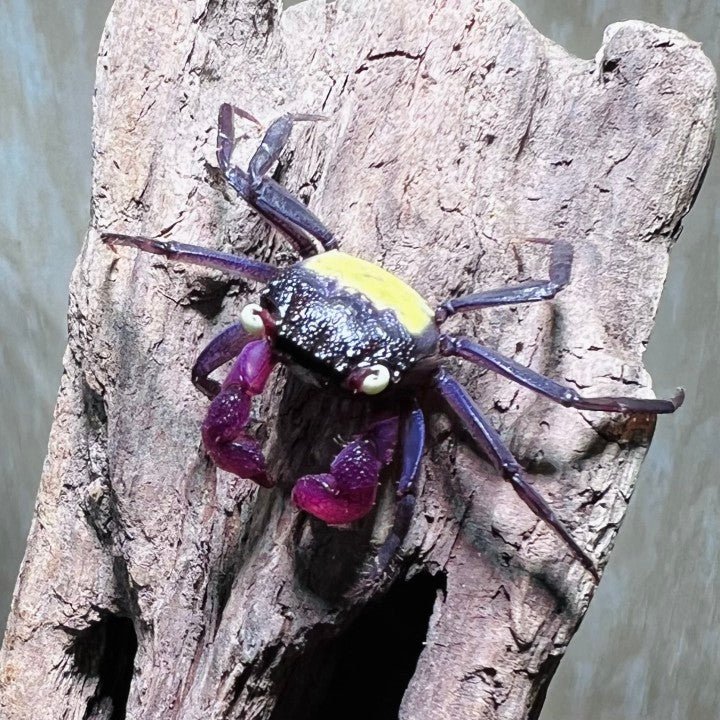
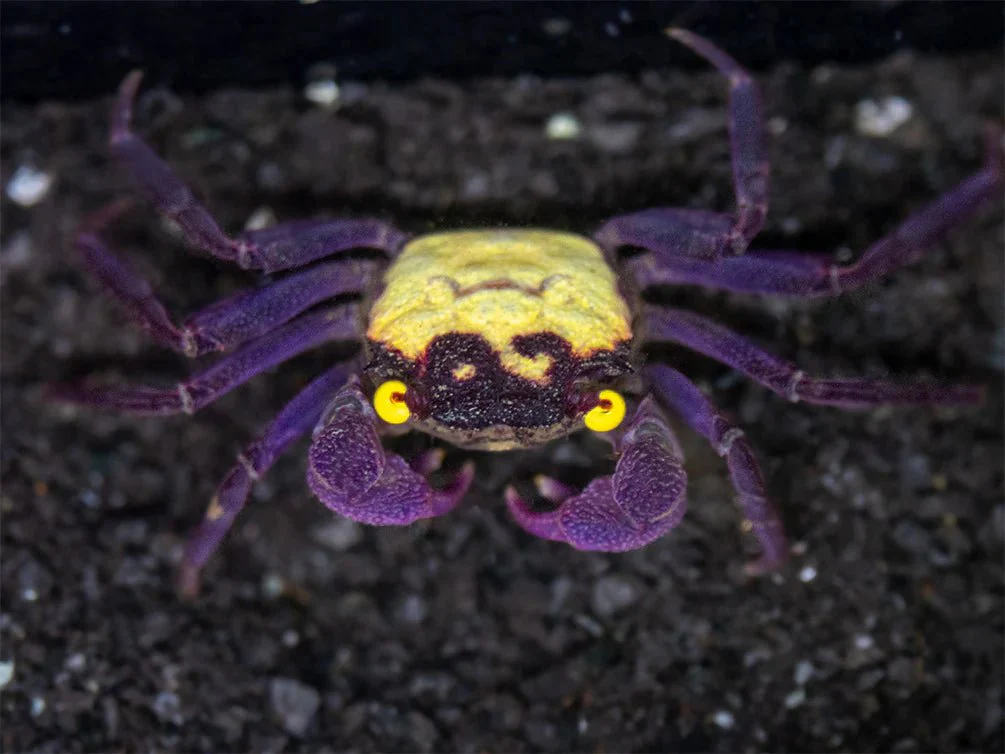
The Yellow Back Purple Vampire Crab is one of the most visually striking species in the Geosesarma genus. It features a deep purple body and claws accented with a vivid yellow marking across the carapace—earning it the “Yellow Back” nickname. These crabs are perfect for bioactive terrariums or paludariums and are highly sought after by hobbyists for their rare coloration and manageable size.
Semi-terrestrial and relatively easy to care for, these crabs prefer a humid setup with access to both land and shallow water. When kept in small groups with ample cover, they exhibit fascinating behavior and a confident presence, often seen exploring their environment at dawn and dusk.
Care Guide
Enclosure & Environment
-
Recommended Enclosure: Bioactive terrarium or paludarium with 70% land and 30% water
-
Minimum Size: 10 gallons for a small group
-
Substrate: Moist coconut fiber, sphagnum moss, leaf litter for burrowing and humidity
-
Decor: Driftwood, cork bark, stones, and plants to provide hiding spots and vertical space
-
Humidity: 80–90%; mist daily
-
Temperature: 75–82°F (24–28°C)
-
Lighting: Ambient room lighting or low-intensity terrarium lighting
-
Water Access: Shallow, dechlorinated freshwater pool or dish (1–2 inches deep)
Water Parameters
-
pH: 6.5–7.5
-
Cleanliness: Keep water clean with regular changes; use a small sponge filter in paludariums
Diet & Feeding
-
Feeding Frequency: 3 to 4 times per week
-
Diet Type: Omnivorous
-
Protein: Bloodworms, shrimp, crickets, insect-based pellets
-
Plant Matter: Blanched spinach, kale, zucchini, algae wafers
-
Supplements: Crushed cuttlebone or powdered calcium to support healthy molts
-
Social Behavior & Compatibility
-
Group Dynamics: Best in small groups (1 male to 2 females recommended)
-
Tankmates: Other Geosesarma crabs only; avoid aggressive or large species
-
Territoriality: Provide multiple hiding spots to reduce aggression
Molting
-
Crabs molt regularly as they grow. During this time, they may hide for several days.
-
Never remove what appears to be a dead crab without verifying if it's a molted exoskeleton.
-
Ensure deep substrate and secure hiding areas to reduce stress during molting.
Maintenance Tips
-
Spot clean daily to remove leftover food and waste
-
Replace or clean water regularly
-
Monitor temperature and humidity with accurate thermometers and hygrometers
-
Avoid sudden environmental changes
Available at Planted Aquaria
The Yellow Back Purple Vampire Crab is a rare, captivating species ideal for advanced terrarium enthusiasts or those looking to expand their exotic invertebrate collection. Limited availability due to seasonal imports and high demand.
Original: $18.27
-65%$18.27
$6.39Product Information
Product Information
Shipping & Returns
Shipping & Returns
Description
Yellow Back Purple Vampire Crab
Scientific Name: Geosesarma cf. dennerle “Yellow Back”
Common Names: Yellow Back Vampire Crab, Purple Vampire Crab
Origin: Southeast Asia
Size: Up to 1.5 inches (carapace width)
Lifespan: 1.5 to 2 years
Temperament: Semi-social, peaceful, crepuscular (active at dawn and dusk)
Description
The Yellow Back Purple Vampire Crab is one of the most visually striking species in the Geosesarma genus. It features a deep purple body and claws accented with a vivid yellow marking across the carapace—earning it the “Yellow Back” nickname. These crabs are perfect for bioactive terrariums or paludariums and are highly sought after by hobbyists for their rare coloration and manageable size.
Semi-terrestrial and relatively easy to care for, these crabs prefer a humid setup with access to both land and shallow water. When kept in small groups with ample cover, they exhibit fascinating behavior and a confident presence, often seen exploring their environment at dawn and dusk.
Care Guide
Enclosure & Environment
-
Recommended Enclosure: Bioactive terrarium or paludarium with 70% land and 30% water
-
Minimum Size: 10 gallons for a small group
-
Substrate: Moist coconut fiber, sphagnum moss, leaf litter for burrowing and humidity
-
Decor: Driftwood, cork bark, stones, and plants to provide hiding spots and vertical space
-
Humidity: 80–90%; mist daily
-
Temperature: 75–82°F (24–28°C)
-
Lighting: Ambient room lighting or low-intensity terrarium lighting
-
Water Access: Shallow, dechlorinated freshwater pool or dish (1–2 inches deep)
Water Parameters
-
pH: 6.5–7.5
-
Cleanliness: Keep water clean with regular changes; use a small sponge filter in paludariums
Diet & Feeding
-
Feeding Frequency: 3 to 4 times per week
-
Diet Type: Omnivorous
-
Protein: Bloodworms, shrimp, crickets, insect-based pellets
-
Plant Matter: Blanched spinach, kale, zucchini, algae wafers
-
Supplements: Crushed cuttlebone or powdered calcium to support healthy molts
-
Social Behavior & Compatibility
-
Group Dynamics: Best in small groups (1 male to 2 females recommended)
-
Tankmates: Other Geosesarma crabs only; avoid aggressive or large species
-
Territoriality: Provide multiple hiding spots to reduce aggression
Molting
-
Crabs molt regularly as they grow. During this time, they may hide for several days.
-
Never remove what appears to be a dead crab without verifying if it's a molted exoskeleton.
-
Ensure deep substrate and secure hiding areas to reduce stress during molting.
Maintenance Tips
-
Spot clean daily to remove leftover food and waste
-
Replace or clean water regularly
-
Monitor temperature and humidity with accurate thermometers and hygrometers
-
Avoid sudden environmental changes
Available at Planted Aquaria
The Yellow Back Purple Vampire Crab is a rare, captivating species ideal for advanced terrarium enthusiasts or those looking to expand their exotic invertebrate collection. Limited availability due to seasonal imports and high demand.